Category: Bathroom Remodels

  • Universal Design & Bathroom Remodeling

    Universal Design & Bathroom Remodeling

    What Does Universal Design Really Mean?

    Universal Design isn’t something most homeowners think about when building or remodeling a home, but it is something we discuss frequently with our clients. Universal Design simply defined is a home designed and built to be used and accessed easily by all people no matter their age, size, or abilities. This universal approach to design and construction is all about planning and details. What products, features, and space planning considerations need to be in place for the space to function for all?

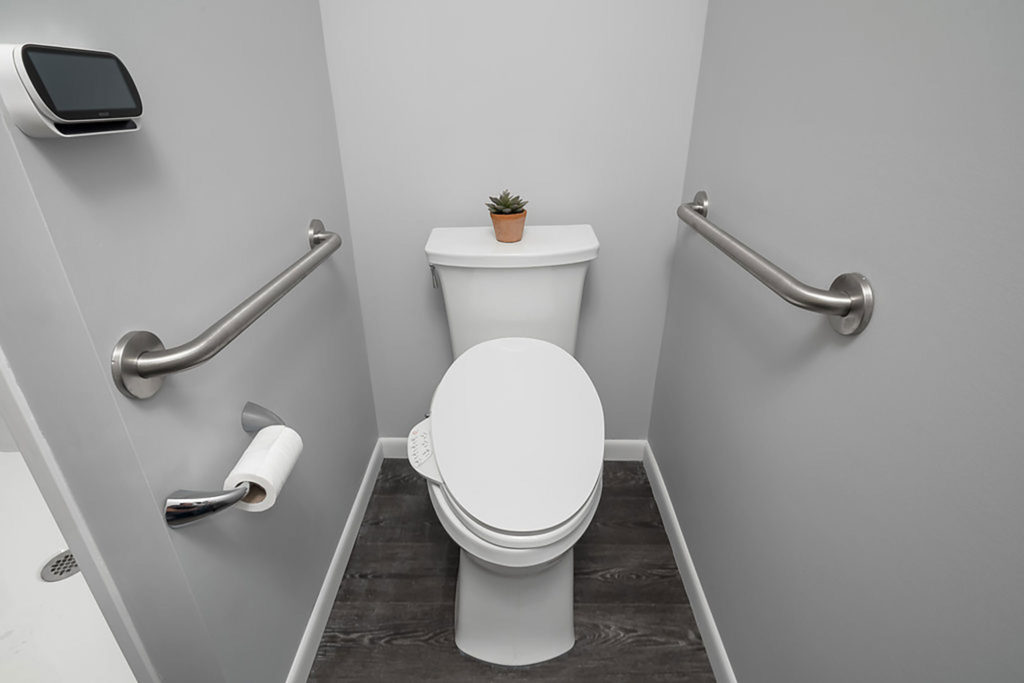
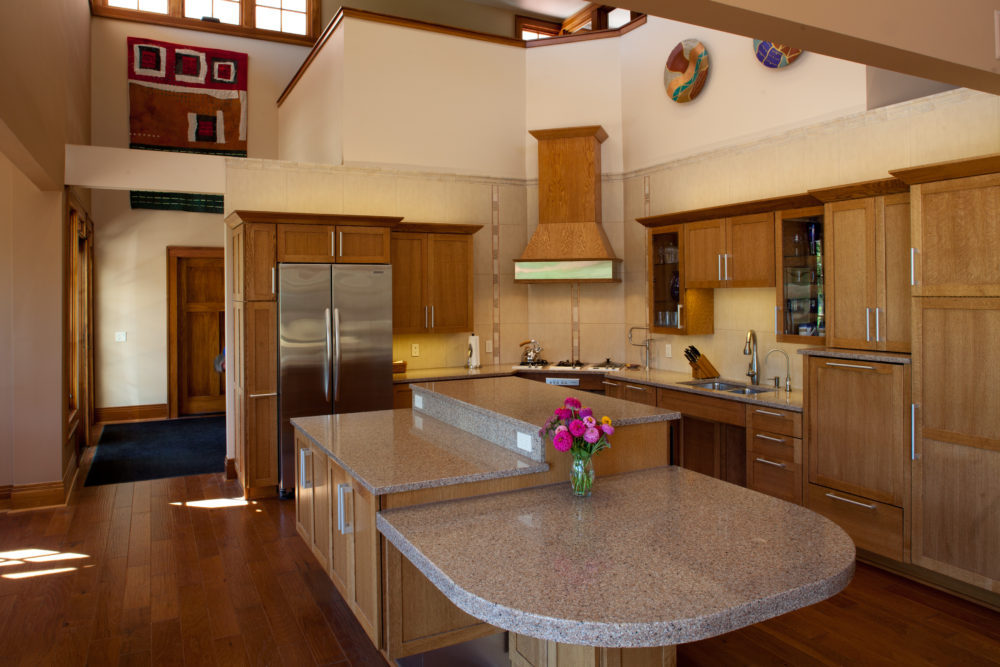
    Creating a Universal Design home means that the living spaces are designed with those principles in mind from the beginning and is aesthetically beautiful. Some examples in design, planning, and adaptations that can be made are wider doorways, smooth level flooring, curb free showers with grab bars and benches, no step entryways, lowered countertop work spaces, elevators or stair lifts, accessible electrical outlets and switches, and kitchens that offer multi-level surfaces for people who use a wheelchair or just need to sit while preparing food.

    Q & A with Columbus Ohio’s Universal Design Expert

    Rosemarie Rossetti, Ph.D. is an expert on the topic of Universal Design. She and her husband, Mark Leder, designed their home along with a talented group of architects and designers. The Universal Design Living Laboratory is a marvel of good design that not only works for her, but for everyone. A virtual tour and video tour can be viewed on the home’s website, www.udll.com.
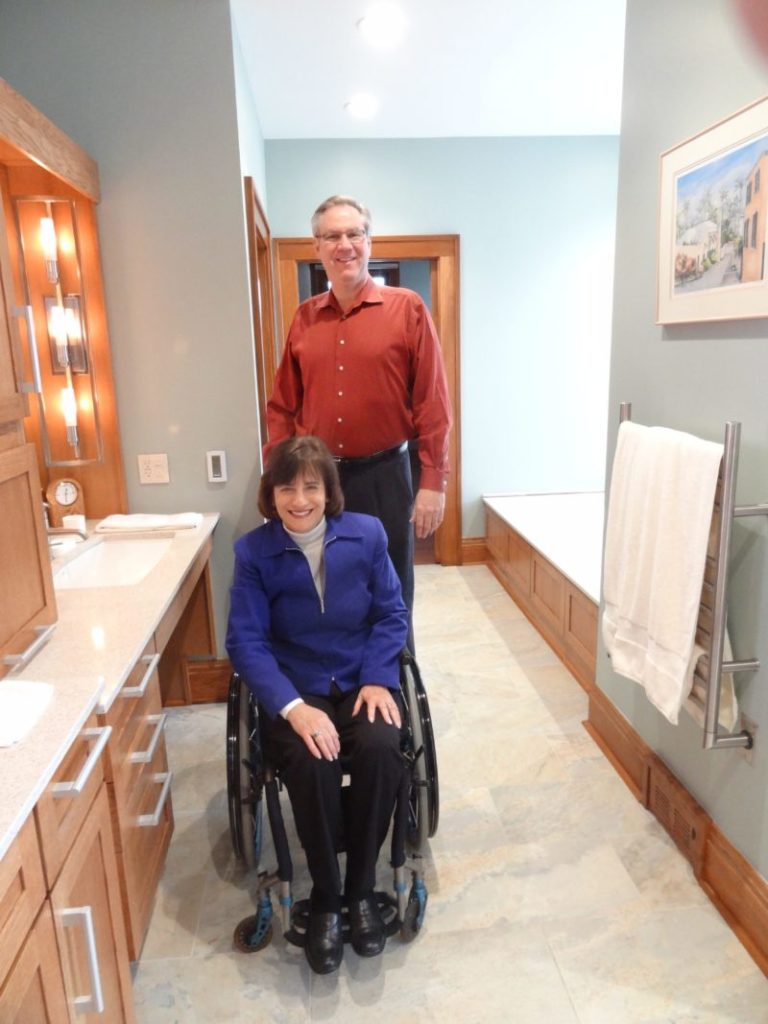
    Rosemarie Rossetti & Mark Leder in their master bathroom.

    What does Universal Design mean to you?

    Independence, Safety, Accessibility, and Convenience. These are the 4 pillars of what I’ve experienced as a person using a wheelchair. Having a home that enables me to be independent in my daily living is absolutely the right design for our home. All homes should consider designing with Universal Design from the beginning. It isn’t a specialized design, but rather it’s just good design. The home should include features and products that are ergonomic and right for the conditions of the people that live there whether they have a disability or not. The design accommodates everyone. It’s a whole new design framework of thinking about home design.

    In sharing your home and Universal Design with other people what are the key elements that you would tell people to keep in mind when building or remodeling their home?

    Many people are shortsighted as they think about remodeling and don’t think they need the wider 36” doors, grab bars in the shower or no step entrance from the garage. They just don’t understand there are advantages to the family over the long term when designing a home using Universal Design. Spend the money and do it right the first time. Listen to the design team that is working with you that knows more than you do about staying in your home for the long tem versus paying to live in an assisted living facility because suddenly you don’t have a home that serves your needs. There can be tremendous value to having Universal Design elements in your home. The key here is value. What is the value versus cost? You have to look at this over the long term of living in your home.

    What Universal Design elements did you use in your bathroom to accommodate your wheelchair?

    Many hours of research and detailed discussions were spent deciding on what products and fixtures would give me full accessibility to my bathroom.

    • Large bathroom floorplan
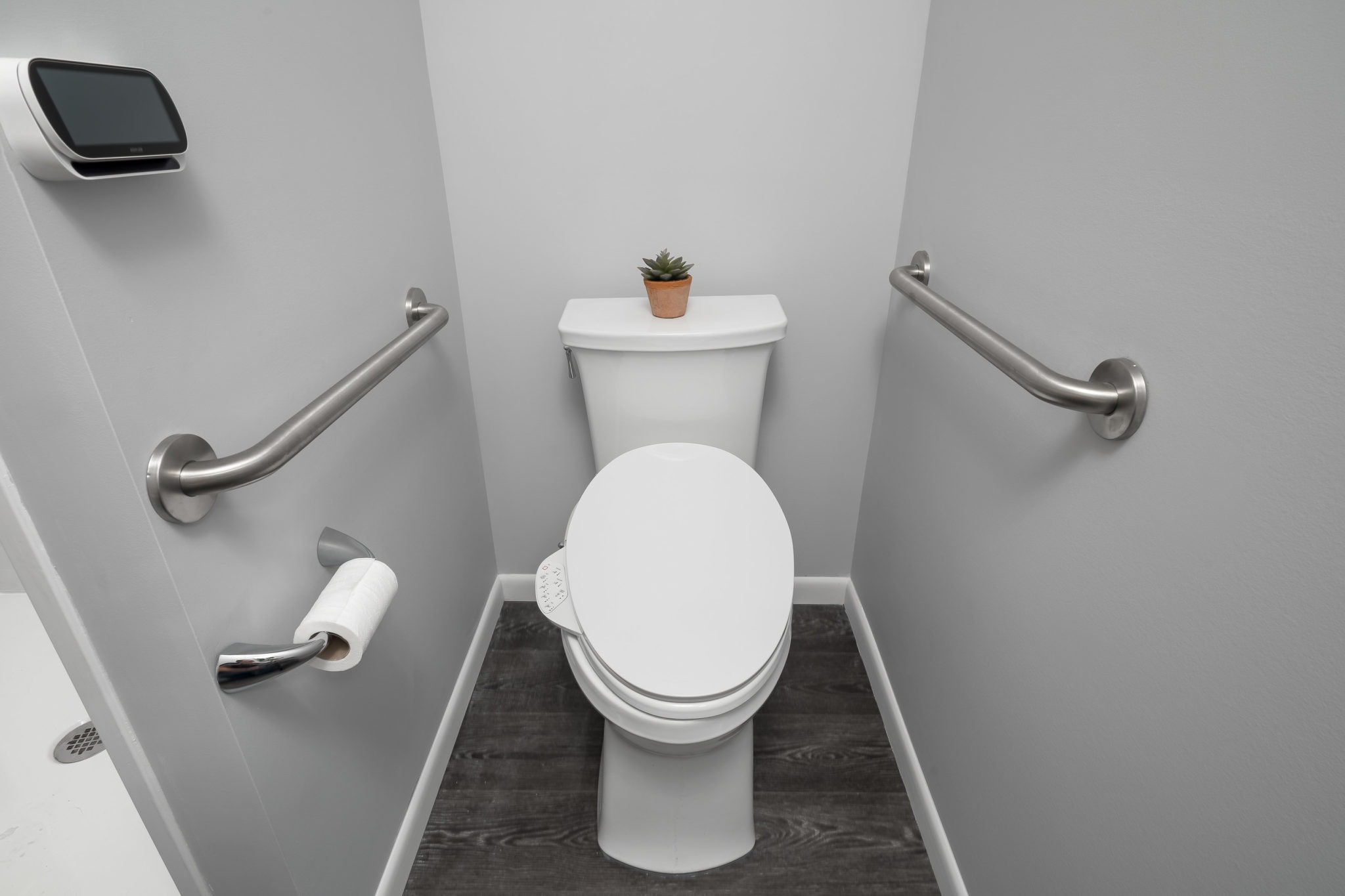
    • Decorative grab bars
    • Various heights of counters
    • Full extension drawers and shelves
    • Lower rocker style light switches (36” above the floor)
    • Higher electrical outlets (25” above the floor)
    • Textured ceramic and porcelain floor tiles with seamless transitions to wood and carpet
    • Large bathtub with plenty of grab bars
    • Curbless roll in shower with plenty of grab bars with a bench and shelves
    • Slide bar for shower head
    • Hand-held, flexible shower fixture
    • 17-19” high toilet seat
    • Lever handles on all doors and faucets

    Now that you have lived in your home, what would you change?

    Actually we are getting ready to make a change now. We found a new product from ShelfGenie. They are going to be a contributor to the home and will be installing roll out shelving under the kitchen and bathroom sinks and some pull down shelving in the cabinets in the kitchen and bathroom. This will give me more convenience, storage, reachability, and accessibility. I can only reach so high in a cabinet so this will be a huge help to me.  I was delighted when I learned about this product and that they are willing to be a contributor. We will have before and after photos on our website so that people that visit can see the significance of their products.

    When someone visits your Universal Design Living Laboratory, what is the one aspect of Universal Design they now understand that they didn’t before?

    It’s beautiful, not institutional, very attractive, and they want it. Universal Design has so much to offer. They see it in its form here as a demonstration home and say, “Wow, I wish we had this. Why didn’t we do that? Why don’t we go home and talk about this?”

    Rosemarie Rossetti, Ph.D. has many resources if you’d like to know more. Her website, Universal Design Living Laboratory, is a treasure trove of information with over a hundred articles. In addition, you can take a virtual or video tour of her home, view webinars and videos, and more. She now has a new book, The Universal Design Toolkit. A free chapter can be downloaded from the website. The Toolkit is available for sale in a digital format and is packaged with four hours of videos and webinars.

    We thank Rosemarie for sharing her knowledge and thoughts with all of us. In 2015 Our Team visited with Rosemarie & Mark, at the Universal Design Living Laboratory click here to see photos from our field trip!

    Need modifications to your bathroom? The Cleary Company Remodel-Design-Build, has experienced designers with Universal Design (UDCP) accreditations from the National Association of the Remodeling Industry (NARI). Contact us today to get started!
  • Bathroom Addition in Dublin OH

    Bathroom Addition in Dublin OH

    Project Profile Guest Bathroom Addition by The Cleary Company Remodel Design Build

    Project Developer: Robert Raskin 

    Designer: Laura Watson ASID, UDCP

    Project Manager: John Coleman CRPM

    This Bathroom Addition in Tartan Fields Dublin OH was featured in Dublin Life magazine’s Oct/Nov 2018 issue!

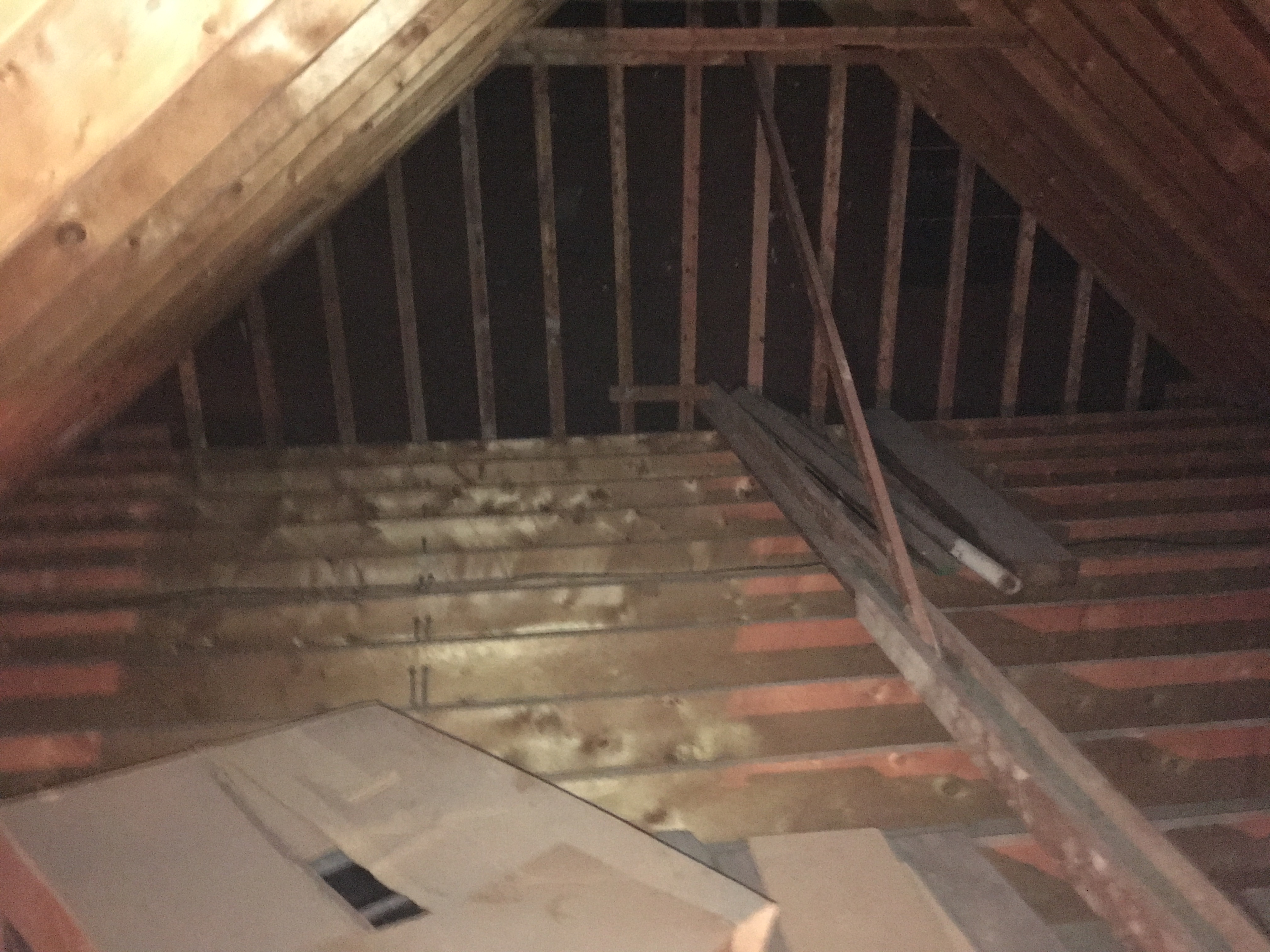
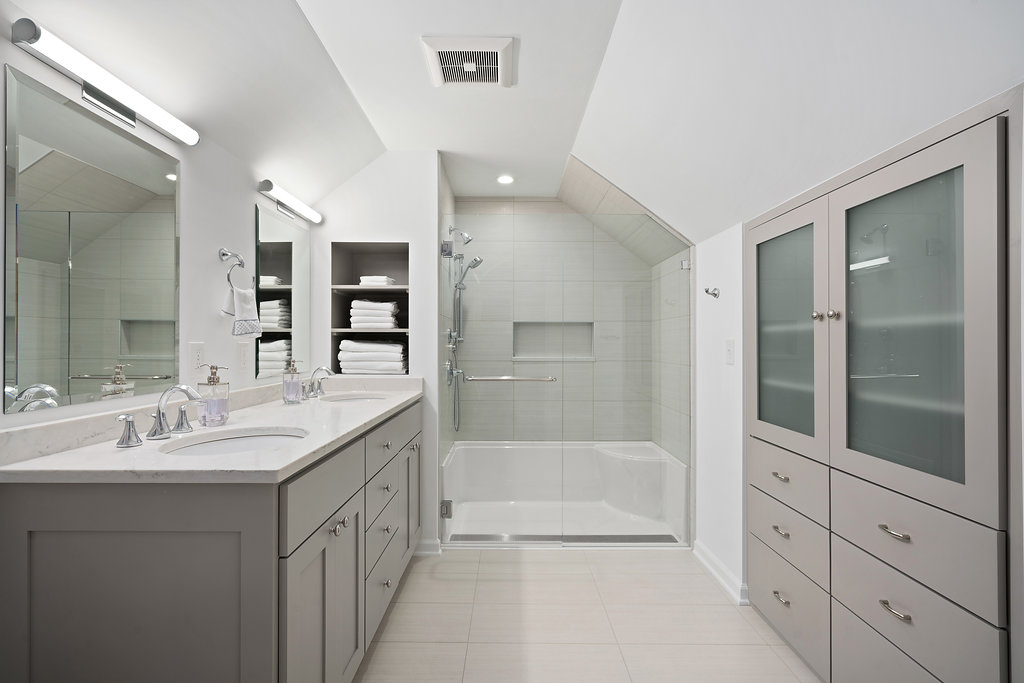
    Bathroom addition utilized unused attic space above garage which allowed for a larger full bathroom to be built between two existing bedrooms.
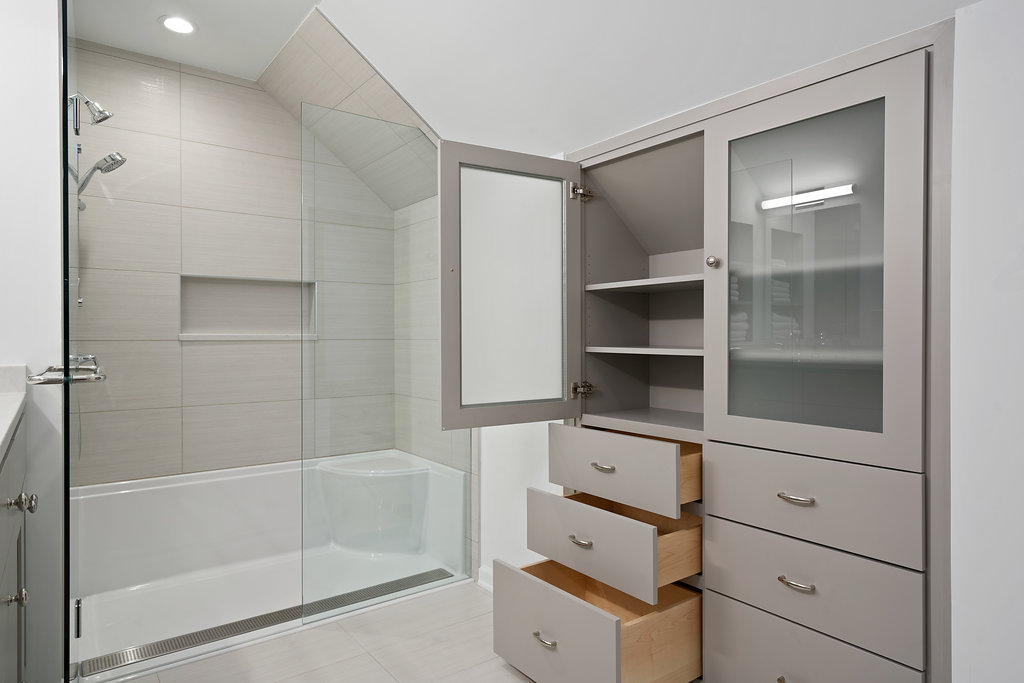
    Before photo shows empty space above an existing attached garage.  Shower base features a built-in bench, modern trench drain and zero threshold entry. Custom cabinetry provides ample storage for towels and supplies.

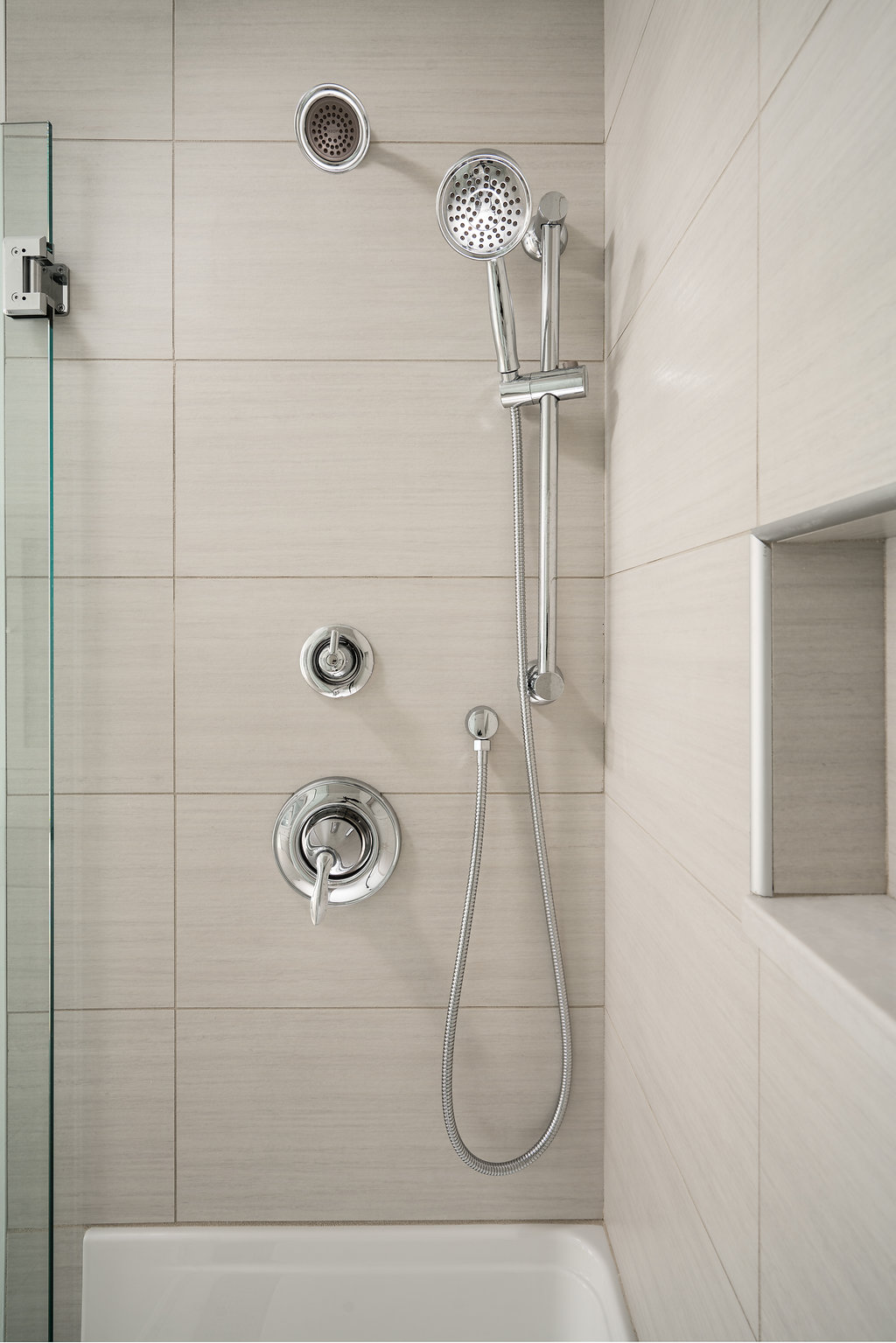
      Stationary and handheld showerheads installed for a custom bathing experience. A large niche shelf provides storage for bathing products.

    Photographs by Marshall Evan Photography

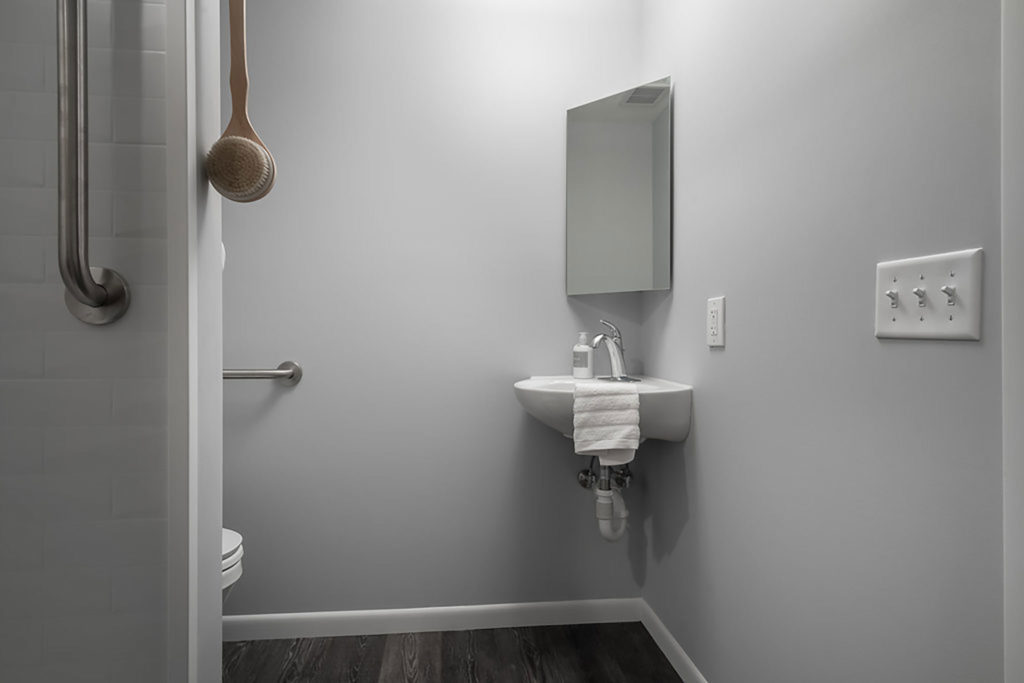
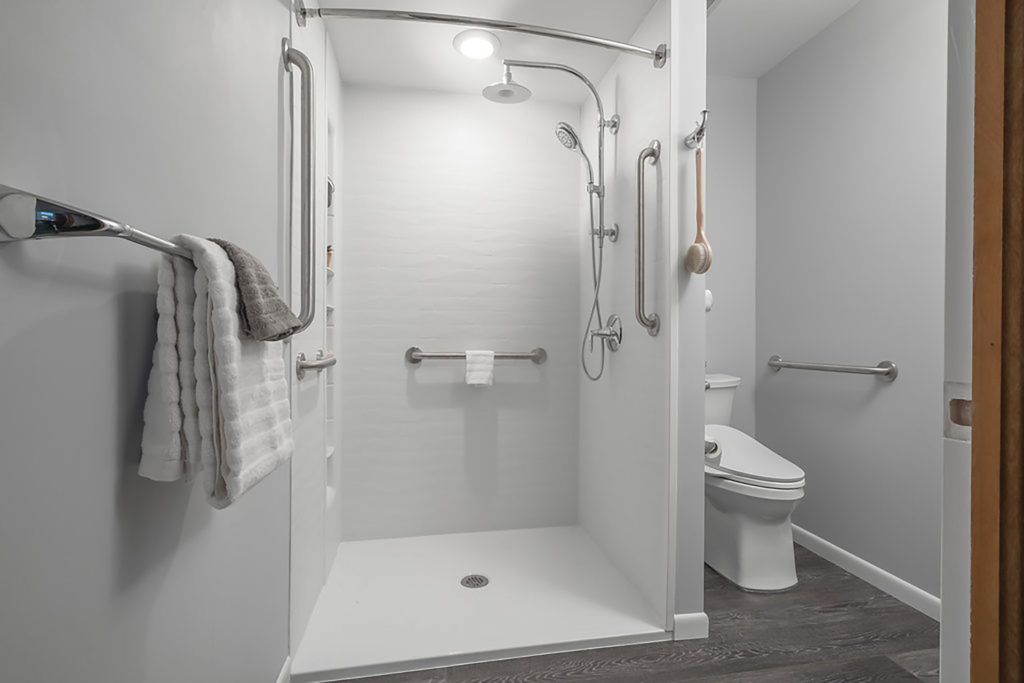
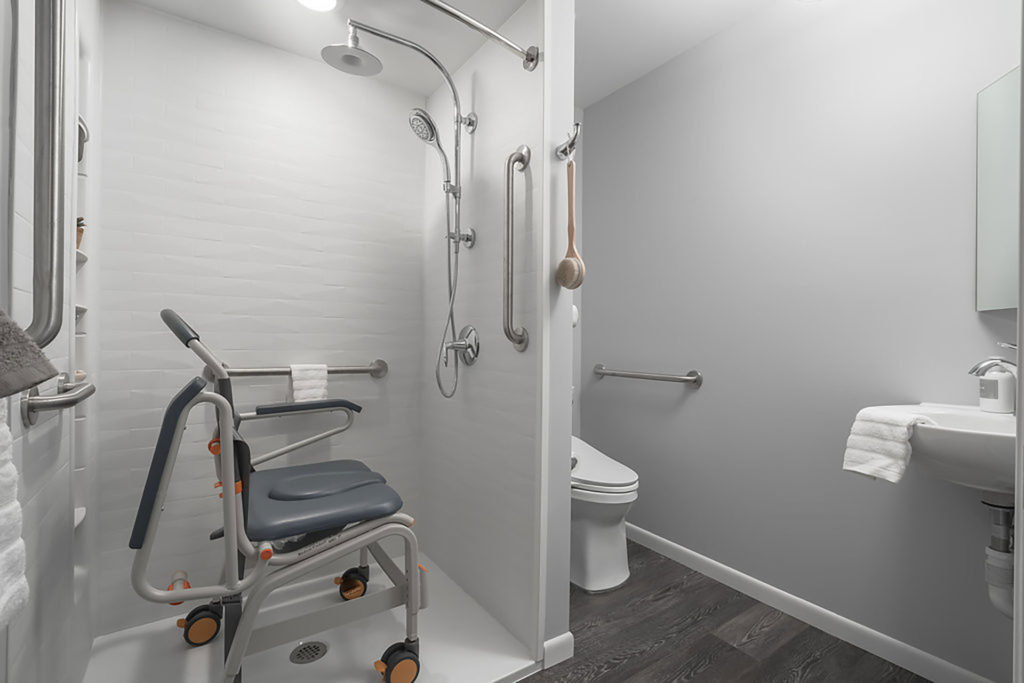
  • Accessible Bathroom Remodel in Upper Arlington OH

    Accessible Bathroom Remodel in Upper Arlington OH

    Project Profile: Universal Design isn’t something most homeowners think about when building or remodeling a home, but it is something we discuss frequently with our clients. Aging In Place or Universal Design, both used interchangeably, simply defined is a home designed and built to be used and accessed easily by all people no matter their age, size, or abilities. This universal approach to design and construction is all about planning and details. Carefully researching and choosing the products, features, and space considerations for your home to function for all throughout you and your family’s life cycle.

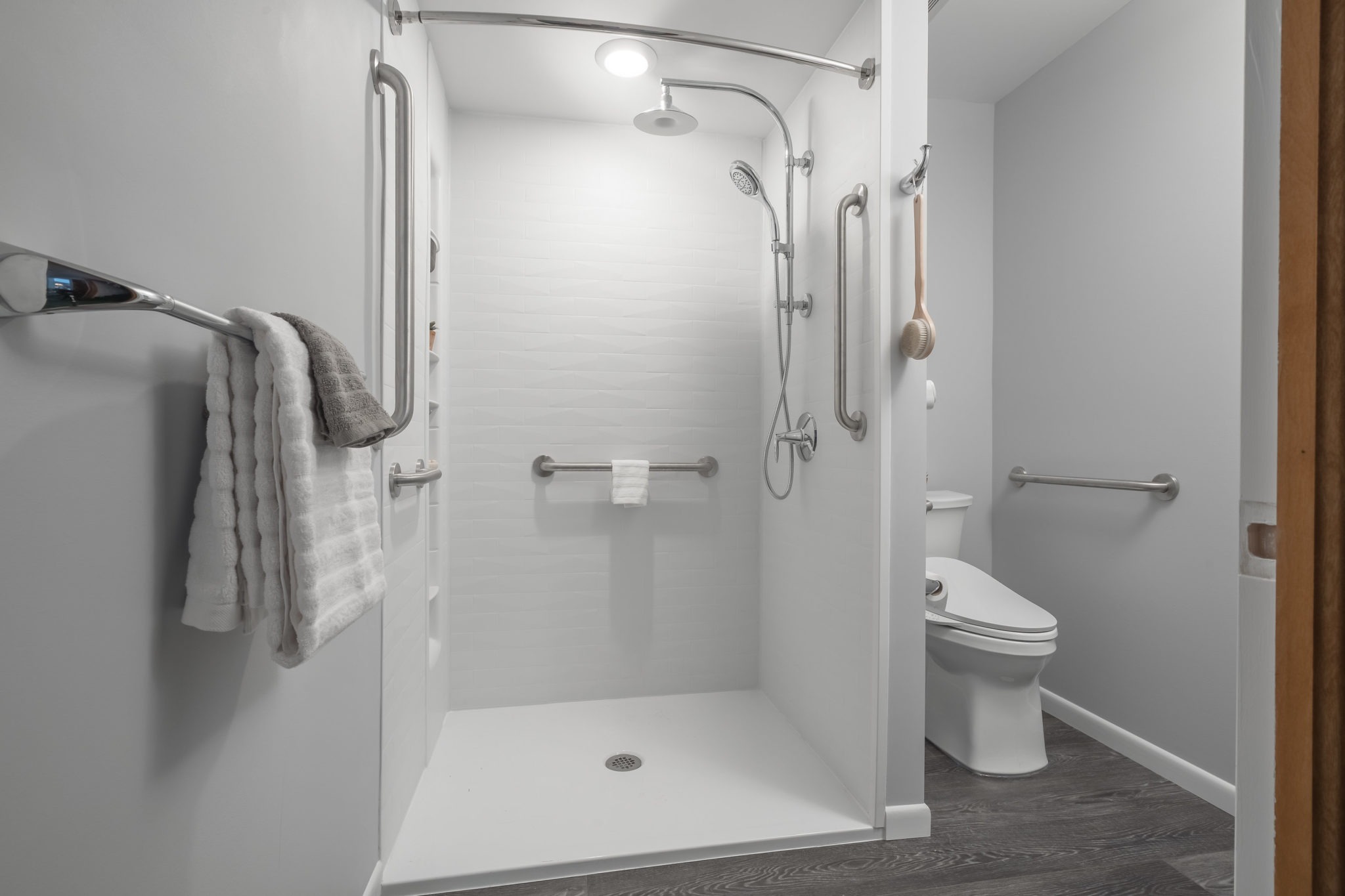
    In the summer of 2018, Donna, a longtime past client of The Cleary Company, called George with news that her husband was suddenly and unexpectedly confined to a wheelchair. They needed a full bathroom on the first floor of their home remodeled to accommodate his new accessibility requirements. George was, of course, ready to fast track a remove and replace bathroom project to meet their needs!

    Before & After Universal Design Bathroom Remodel

    20 Years of Multiple Remodels & Lifestyle Transitions

    Meet Donna. She’s been a client of The Cleary Company since 1999. She hired George to build a 2-story addition on her cape cod home in Upper Arlington OH. That first project included adding a family room, master suite, plus another bathroom to accommodate her growing family. Since then we’ve also remodeled her kitchen, mudroom, basement, garage and last year a Universal Design full bathroom remodel.

    Donna is not only a client but a cheerleader for The Cleary Company, by referring several family members, friends and neighbors over the years. Read more about Donna’s relationship and past projects with The Cleary Company here.

    “I’m feeling the Cleary love! Please know that I appreciate and love you guys so much. Thank you George, for being in my life!” – Donna, Upper Arlington OH

    Incorporating Universal Design principles into any bathroom remodel is important, especially if you plan to “age in place” gracefully in your present home or if injury or health issues require assisted care. Contact our Client Relations Coordinator today to collaborate on your next bathroom remodel with a Remodel-Design-Build Team who cares about you and your family. Call 614-459-4000 or Visit our website!

  • Universal Design – What Does It Really Mean?

    Universal Design – What Does It Really Mean?

    Universal Design isn’t something most homeowners think about when building or remodeling a home, but it is something we discuss frequently with our clients. Aging In Place or Universal Design, both used interchangeably, simply defined is a home designed and built to be used and accessed easily by all people no matter their age, size, or abilities. This universal approach to design and construction is all about planning and details. What products, features, and space planning considerations need to be in place for the space to function for all?

    Creating a Universal Design home means that the living spaces are designed with those principles in mind from the beginning and is aesthetically beautiful. Some examples in design, planning, and adaptations that can be made are wider doorways, smooth level flooring, curb free showers with grab bars and benches, no step entryways, lowered countertop work spaces, elevators or stair lifts, accessible electrical outlets and switches, and kitchens that offer multi-level surfaces for people who use a wheelchair or just need to sit while preparing food.

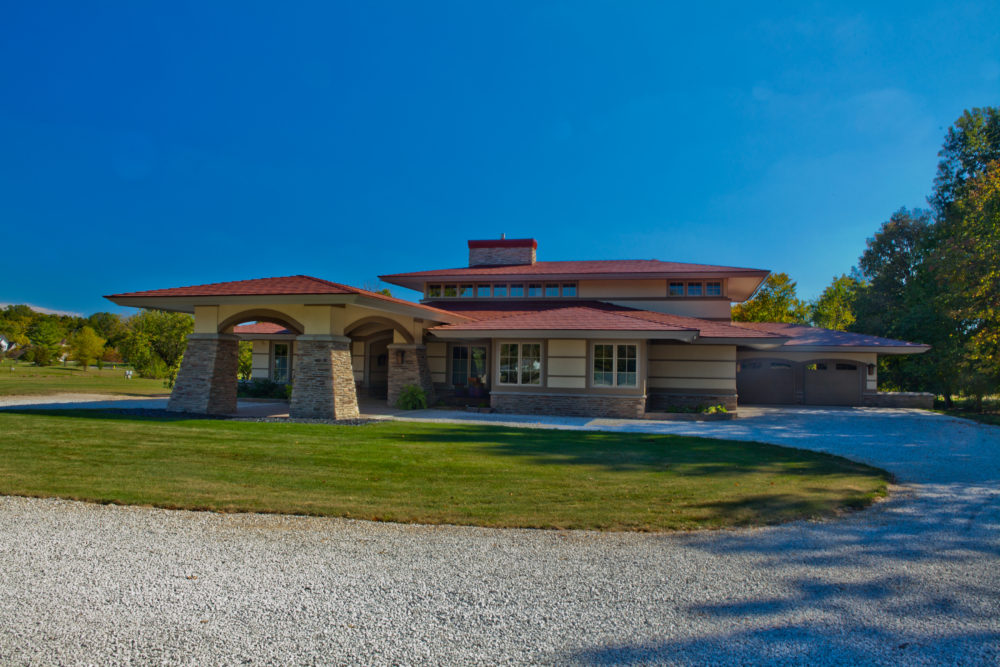
    Recently, we had the privilege to speak with Rosemarie Rossetti, Ph.D. an expert on the topic of Universal Design. She and her husband designed their home along with a talented group of architects and designers. The Universal Design Living Laboratory is a marvel of good design that not only works for her, but for everyone. A virtual tour and video tour can be viewed on her website, www.udll.com. What follows are her thoughts on Universal Design, what she’s learned, and what she shares with others.

    Universal Design Living Laboratory – 6141 Clark State Road, Columbus, Ohio 43230
    Rosemarie & Mark in their master bathroom at the Universal Design Living Laboratory

    Q & A with Rosemarie Rossetti, Ph.D.

    What does Universal Design mean to you? 

    Independence, Safety, Accessibility, and Convenience. These are the 4 pillars of what I’ve experienced as a person using a wheelchair. Having a home that enables me to be independent in my daily living is absolutely the right design for our home. All homes should consider designing with Universal Design from the beginning. It isn’t a specialized design, but rather it’s just good design. The home should include features and products that are ergonomic and right for the conditions of the people that live there whether they have a disability or not. The design accommodates everyone. It’s a whole new design framework of thinking about home design.

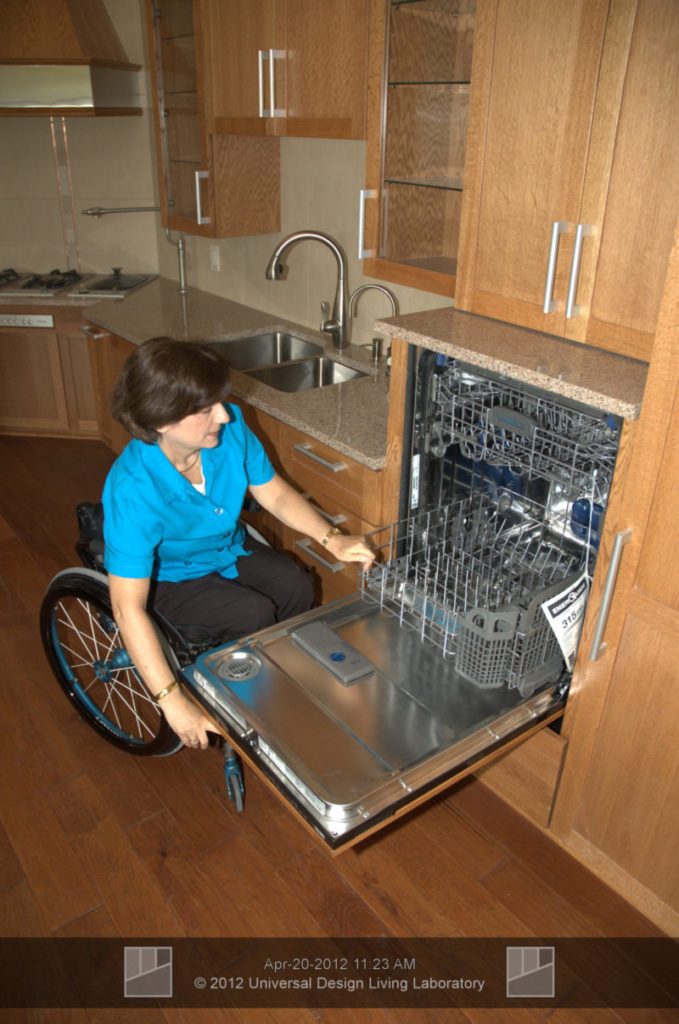
    Rosemarie demonstrating the elevated dishwasher in the UDLL kitchen.

    What adaptations did you make that were harder/easier than you thought?

    The pouring of the concrete in the garage was easier than I thought it was going to be. We created two 2-car garages with 2 entrances from the home with no steps. I thought it would be a nightmare to pour the concrete correctly, with the right slope away from the doors, so that when you enter the home there are no steps, just a smooth transition. I imagined how many times, the concrete would have to be jackhammered, removed, and fixed, but it was done right the 1st time. The installers understood the slope and got the gradual grade from the house to the driveway done perfectly the first pour.

    I also anticipated that the Franklin County building authorities would have pushback when we showed them the plans that had no step from the garage to the house, which is needed to prevent any carbon monoxide from entering the home. They understood what we were trying to do and approved our plans. We already had in the plans 2 exhaust ceiling fans in the garage that run 24/7 that keeps any possible fumes from entering the home.

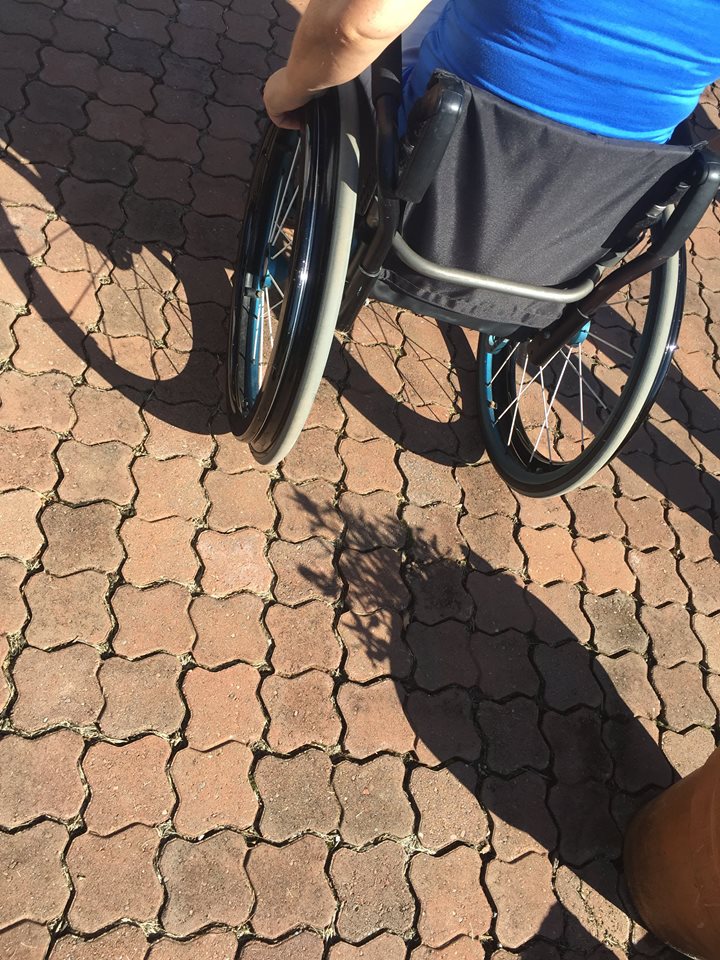
    Harder? That was watching people install pavers in our landscape. The pavers were being installed so that I could have rollable surfaces on all of the patio areas. It was a tedious process to figure out the pattern and how much gravel and sand to use. Then installing, tamping them down, and leveling took a lot of time.  Some of them were installed with a gradual slope and some were edged around retaining walls. This took a long time.

    Rosemarie’s wheelchair moves effortlessly on the on the paver paths. The paver paths give her full access the the gardens in the backyard.

    Now that you have lived in your home, what would you change?

    Actually we are getting ready to make a change now. We found a new product from ShelfGenie. They are going to be a contributor to the home and will be installing roll out shelving under the kitchen and bathroom sinks and some pull down shelving in the cabinets in the kitchen and bathroom. This will give me more convenience, storage, reachability, and accessibility. I can only reach so high in a cabinet so this will be a huge help to me.  I was delighted when I learned about this product and that they are willing to be a contributor. We will have before and after photos on our website so that people that visit can see the significance of their products.

    What are the key elements that you recommend to keep in mind when building or remodeling their home?

    Look at the ROI (return on investment) over the long haul. Many people are shortsighted as they think about remodeling and don’t think they need the wider 36” doors, grab bars in the shower or no step entrance from the garage. They just don’t understand there are advantages to the family over the long term when designing a home using Universal Design. Spend the money and do it right the first time. Listen to the design team that is working with you that knows more than you do about staying in your home for the long tem versus paying to live in an assisted living facility because suddenly you don’t have a home that serves your needs. There can be tremendous value to having Universal Design elements in your home. The key here is value. What is the value versus cost? You have to look at this over the long term of living in your home.

    When someone visits your Universal Design Living Laboratory, what is the one aspect of Universal Design they now understand that they didn’t before?

    It’s beautiful, not institutional, very attractive, and they want it. Universal Design has so much to offer. They see it in its form here as a demonstration home and say, “Wow, I wish we had this. Why didn’t we do that? Why don’t we go home and talk about this?”

    Designer Manager Laura Watson has an accreditation in Universal Design (UDCP) from the National Association of the Remodeling Industry (NARI). In 2015 Our Team visited with Rosemarie and her husband, Mark, at the Universal Design Living Laboratory click here to see photos from our field trip!

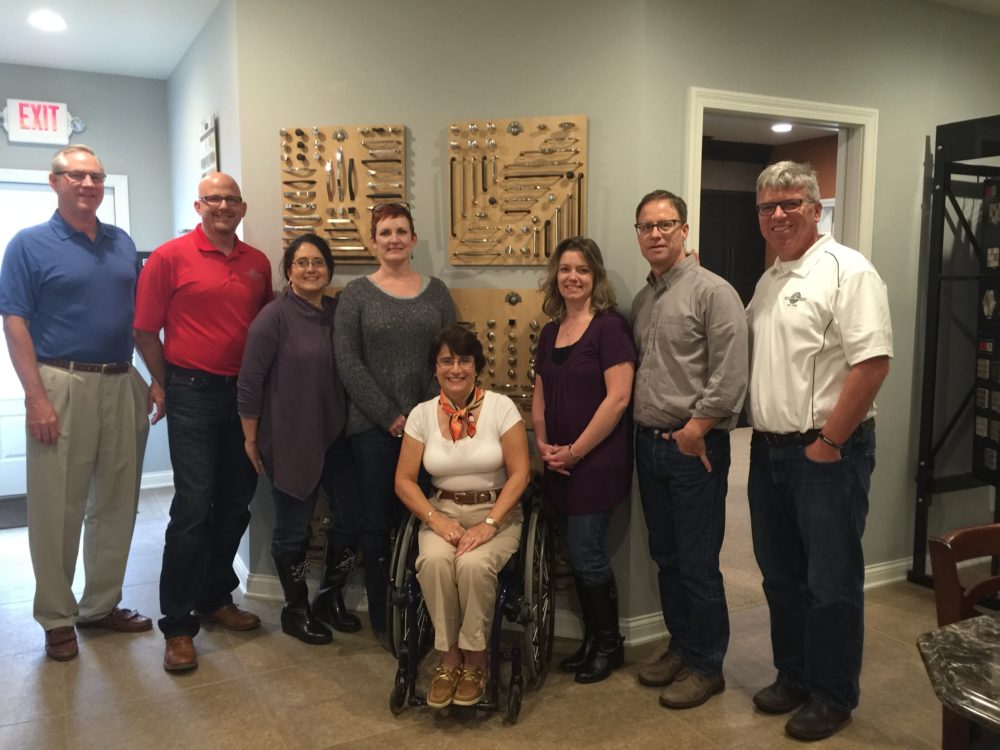
    Rosemarie & Mark visited our Design Center on Kenny Rd in 2015