Tag: design build remodeling columbus ohio

  • Designing a Functional Mudroom

    Designing a Functional Mudroom

    Planning a Mudroom Remodel? Busy families need functional storage! Finding places in your home to store coats, sports equipment, backpacks, and more can be challenging, especially if you live in an older home, where a mudroom may be non-existent. Creating a well-equipped organized space or drop zone is a great addition to any home. Mudrooms are typically top on wish lists for Our Clients at The Cleary Company Remodel Design Build Columbus OH and our designers specialize in creating functional award-winning designs that meet the needs of your family.

    It doesn’t matter how big or small it is, just that it fits your family’s lifestyle. A functional mudroom’s purpose is to provide an intermediate space that creates a transition between outside and inside. This structured place in your home provides quick and easy storage of items you need when leaving that is easily accessible – especially when leaving home in a rush. So, what do you need to think about if you want a mudroom?

    Tips from Designer Olivia Kern Meadows

    Olivia Kern Meadows, answers the most common questions our clients ask about mudrooms or, as we like to call them, drop zones. “Storage, in general, is the biggest request from our clients! Everyone is looking for a way to store things in an organized fashion. Once you show someone the best way to optimize their space for storage, you can begin playing around with what types of storage they want and whether it’s open or closed. People also request benches with storage. So, a place to sit and take off and put on their shoes, but also incorporates shoe storage beneath the bench.”

    What are the best solutions to hiding or organizing clutter?

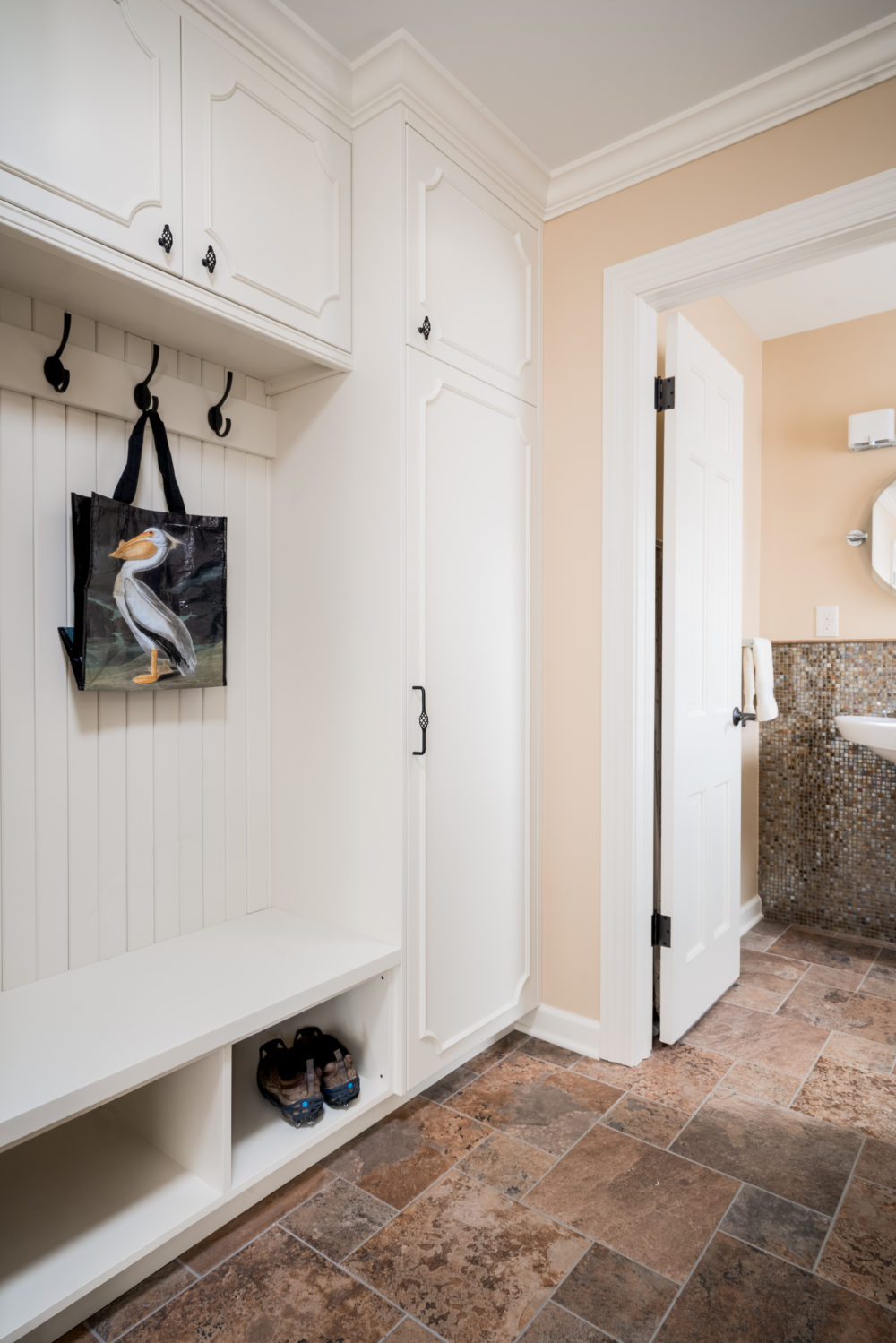
    Baskets are amazing! Baskets are a great way to hide clutter, especially items that tend to look cluttered even when they are organized, such as keys, chargers, hats, gloves, and scarves. A great way to organize clutter with built-ins is to use several different types of storage: cubbies for basket storage, shoe shelves for shoes to lay flat on, boot storage behind a cabinet door or on a pullout shelf, drawers with dividers for smaller miscellaneous item, and closed storage above a drop zone for additional “messy looking” items.

    What do we do with the kids’ shoes, their coats, car keys, winter boots, and pet supplies?

    Kids Shoes: Use baskets and shelving situated just high enough that pairs of shoes must go in side-by-side – this forces organization and visual appeal. (Just be sure they are dry.)

    Coats: Hooks at various heights allow adults and children to hang more items in a single vertical space. For example, kids hang their items on the lower hooks, while adults can hang their items on the higher hooks. As kids grow, they can begin hanging backpacks on the lower hooks and their coats on the higher hooks.

    Car Keys: Install small hooks on the wall by the drawer, place a decorative bowl in the “drop zone”, or keep in a drawer that has organized dividers.

    Winter Boots: Cubbies/Dividers at the floor level that go straight down to the actual flooring material are great for maintaining clean cabinetry when storing winter boots. Having adjustable height shelving (especially under a bench) is very helpful when trying to accommodate shoes of all heights and styles. We’ve also done a boot stage on a pullout shelf underneath a drop zone counter.

    Pet Food/Supplies: A closed cabinet is the best way to store these items. Typically, under and above the drop zone is a great place because it’s easily accessible, but out of the way. The closed cabinetry not only helps to keep unorganized pet supplies from being visible, but it also helps to keep pet food smells from creeping out into your living space.

    What gets overlooked that clients need?

    All mudrooms should have charging ports and seasonal storage.

    Outlet locations are more important than people realize and placing them strategically within a mudroom/drop zone can really make a difference in how functional the space and outlet can be. Placing outlets with thought will elevate the functionality of that space.

    Something that people forget often is that there are other seasons than the one they’re currently in while designing their space. It’s important to create storage within the mudroom that allows clients to rotate their “wardrobe”. For example, when it’s winter, where will you store your scarves, hats, and gloves so that they are easily accessible each day? In the summer, where will you store your scarves, hats, and gloves so that they are out of the way? What about seasonal jackets? It’s not only important to have storage for what you need at the particular time, but it’s also important to have hidden storage for things you don’t need right now.

    What’s your favorite mudroom that you designed?

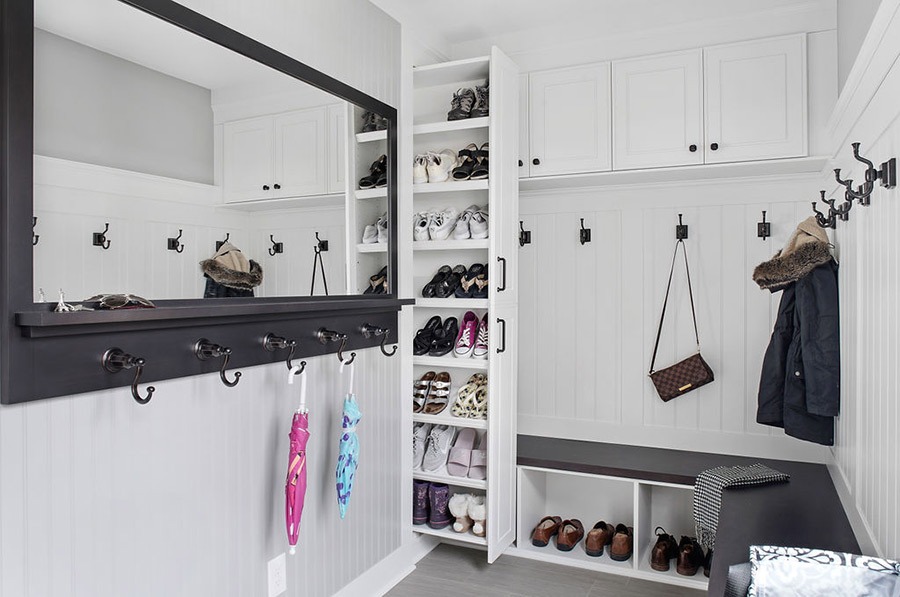
    A recent project in Upper Arlington comes to mind. This project has a tall pull-out with shoe storage, a charge station and a deep drawer that pulls out of a base cabinet for boot storage.
    Tips from Ryan Schaad from Schaad & Sons Custom Cabinetry

    What’s most important? The choice of wood that is used for cabinets. Ryan Schaad, owner of Schaad & Sons, Inc., is one of our premier custom cabinetmakers. We asked him some questions to help you understand the cabinet planning process for your mudroom.

    • Best wood species for custom cabinets- maple hardwood. Painted cabinets are very popular and maple allows paint to look like porcelain when it dries. Maple is also the best choice for stained cabinets since the wood can be stained to look like many different wood species.
    • We prefer stained over painted because of the wood top surfaces used in the mudroom where you might put your feet or any other objects that might be wet. These spots get the most wear and tear and it is easier to touch up a stained surface, rather than a painted surface.
    • Mudroom location can help determine the best type of cabinets for the space. A side entrance used only by the family means a mudroom can have open cubbies and shelves, with hooks for coats and bags. A mudroom that will be exposed to guests might be better with drawers and doors, where everything is hidden away and can be kept cleaner and neater.
    • Another feature that looks good and is very practical, leave the floor exposed underneath the bench seat or cubby area. Install the flooring underneath a bench so that you aren’t putting shoes on the wooden base of the cabinet or cubby. This way, when you take off your wet shoes, you aren’t placing them on wooden cabinet surfaces that can break down over time with repeated exposure to melting snow & ice.
    • Maintaining solid wood cabinets is easy. Treat them just like you would any other cabinets or piece of wood furniture in your home. You can find cleaning recommendations on the Schaad & Sons website.

    If you’re planning a remodel, don’t forget about that drop zone! You know you need it and we’re here to build it for you. Contact our Client Relations Coordinator to get started 614-459-4000 or visit our website.

    For more design inspiration visit our pro Houzz profile!
  • Universal Design – What Does It Really Mean?

    Universal Design – What Does It Really Mean?

    Universal Design isn’t something most homeowners think about when building or remodeling a home, but it is something we discuss frequently with our clients. Aging In Place or Universal Design, both used interchangeably, simply defined is a home designed and built to be used and accessed easily by all people no matter their age, size, or abilities. This universal approach to design and construction is all about planning and details. What products, features, and space planning considerations need to be in place for the space to function for all?

    Creating a Universal Design home means that the living spaces are designed with those principles in mind from the beginning and is aesthetically beautiful. Some examples in design, planning, and adaptations that can be made are wider doorways, smooth level flooring, curb free showers with grab bars and benches, no step entryways, lowered countertop work spaces, elevators or stair lifts, accessible electrical outlets and switches, and kitchens that offer multi-level surfaces for people who use a wheelchair or just need to sit while preparing food.

    Recently, we had the privilege to speak with Rosemarie Rossetti, Ph.D. an expert on the topic of Universal Design. She and her husband designed their home along with a talented group of architects and designers. The Universal Design Living Laboratory is a marvel of good design that not only works for her, but for everyone. A virtual tour and video tour can be viewed on her website, www.udll.com. What follows are her thoughts on Universal Design, what she’s learned, and what she shares with others.

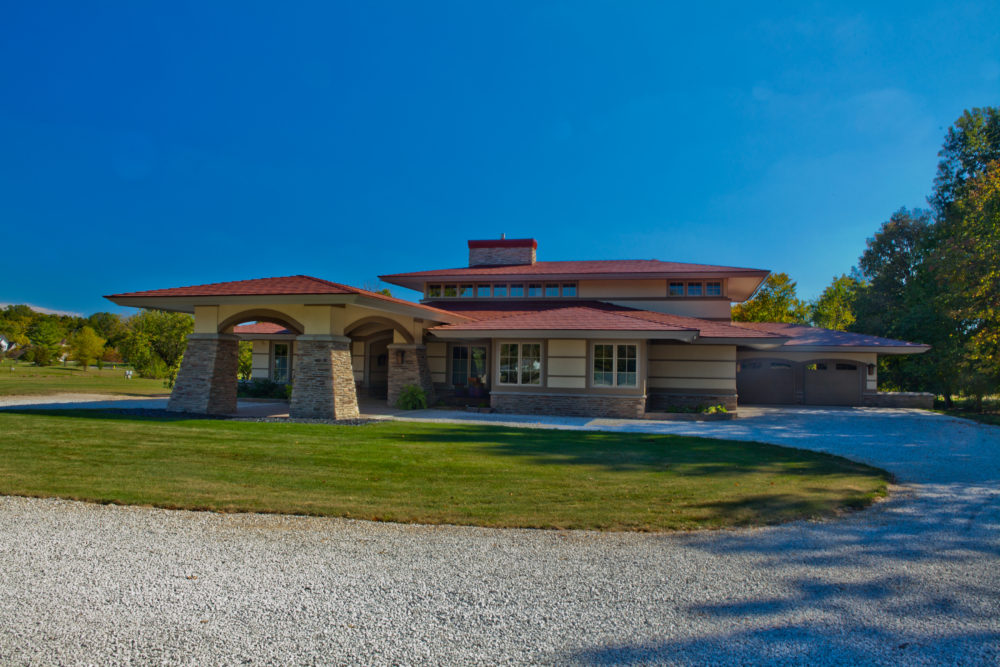
    Universal Design Living Laboratory – 6141 Clark State Road, Columbus, Ohio 43230
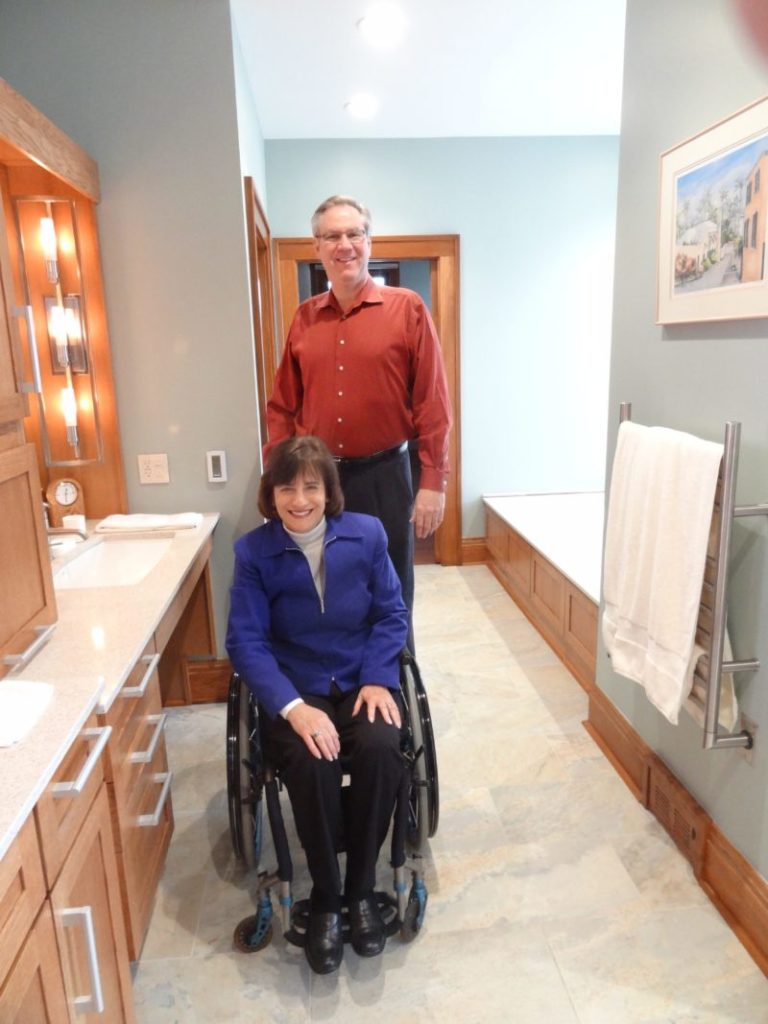
    Rosemarie & Mark in their master bathroom at the Universal Design Living Laboratory

    Q & A with Rosemarie Rossetti, Ph.D.

    What does Universal Design mean to you? 

    Independence, Safety, Accessibility, and Convenience. These are the 4 pillars of what I’ve experienced as a person using a wheelchair. Having a home that enables me to be independent in my daily living is absolutely the right design for our home. All homes should consider designing with Universal Design from the beginning. It isn’t a specialized design, but rather it’s just good design. The home should include features and products that are ergonomic and right for the conditions of the people that live there whether they have a disability or not. The design accommodates everyone. It’s a whole new design framework of thinking about home design.

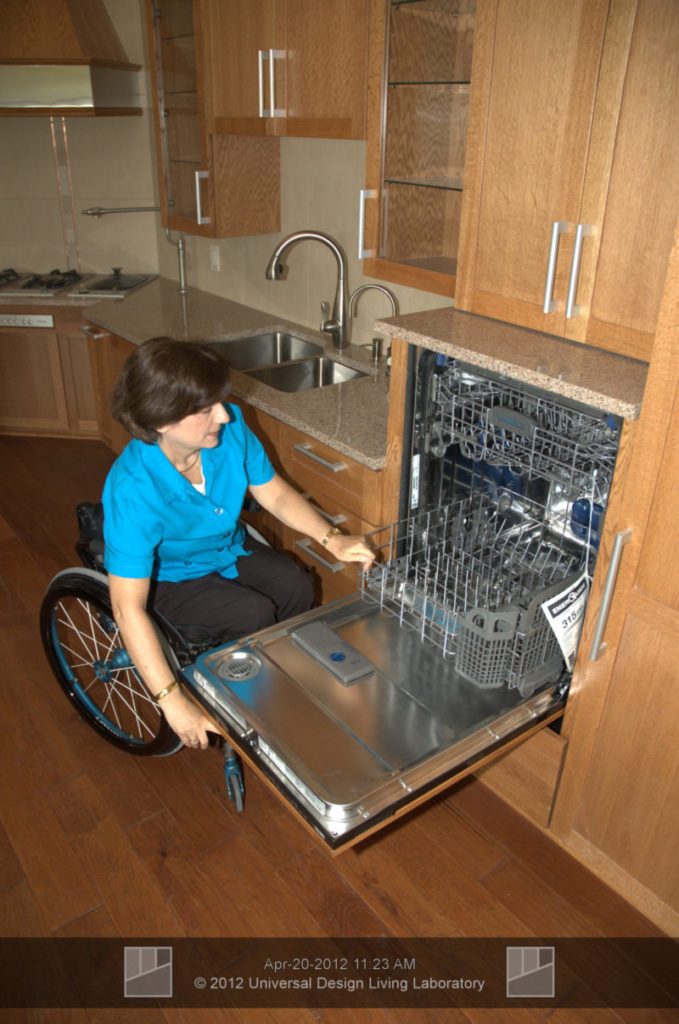
    Rosemarie demonstrating the elevated dishwasher in the UDLL kitchen.

    What adaptations did you make that were harder/easier than you thought?

    The pouring of the concrete in the garage was easier than I thought it was going to be. We created two 2-car garages with 2 entrances from the home with no steps. I thought it would be a nightmare to pour the concrete correctly, with the right slope away from the doors, so that when you enter the home there are no steps, just a smooth transition. I imagined how many times, the concrete would have to be jackhammered, removed, and fixed, but it was done right the 1st time. The installers understood the slope and got the gradual grade from the house to the driveway done perfectly the first pour.

    I also anticipated that the Franklin County building authorities would have pushback when we showed them the plans that had no step from the garage to the house, which is needed to prevent any carbon monoxide from entering the home. They understood what we were trying to do and approved our plans. We already had in the plans 2 exhaust ceiling fans in the garage that run 24/7 that keeps any possible fumes from entering the home.

    Harder? That was watching people install pavers in our landscape. The pavers were being installed so that I could have rollable surfaces on all of the patio areas. It was a tedious process to figure out the pattern and how much gravel and sand to use. Then installing, tamping them down, and leveling took a lot of time.  Some of them were installed with a gradual slope and some were edged around retaining walls. This took a long time.

    Rosemarie’s wheelchair moves effortlessly on the on the paver paths. The paver paths give her full access the the gardens in the backyard.

    Now that you have lived in your home, what would you change?

    Actually we are getting ready to make a change now. We found a new product from ShelfGenie. They are going to be a contributor to the home and will be installing roll out shelving under the kitchen and bathroom sinks and some pull down shelving in the cabinets in the kitchen and bathroom. This will give me more convenience, storage, reachability, and accessibility. I can only reach so high in a cabinet so this will be a huge help to me.  I was delighted when I learned about this product and that they are willing to be a contributor. We will have before and after photos on our website so that people that visit can see the significance of their products.

    What are the key elements that you recommend to keep in mind when building or remodeling their home?

    Look at the ROI (return on investment) over the long haul. Many people are shortsighted as they think about remodeling and don’t think they need the wider 36” doors, grab bars in the shower or no step entrance from the garage. They just don’t understand there are advantages to the family over the long term when designing a home using Universal Design. Spend the money and do it right the first time. Listen to the design team that is working with you that knows more than you do about staying in your home for the long tem versus paying to live in an assisted living facility because suddenly you don’t have a home that serves your needs. There can be tremendous value to having Universal Design elements in your home. The key here is value. What is the value versus cost? You have to look at this over the long term of living in your home.

    When someone visits your Universal Design Living Laboratory, what is the one aspect of Universal Design they now understand that they didn’t before?

    It’s beautiful, not institutional, very attractive, and they want it. Universal Design has so much to offer. They see it in its form here as a demonstration home and say, “Wow, I wish we had this. Why didn’t we do that? Why don’t we go home and talk about this?”

    Designer Manager Laura Watson has an accreditation in Universal Design (UDCP) from the National Association of the Remodeling Industry (NARI). In 2015 Our Team visited with Rosemarie and her husband, Mark, at the Universal Design Living Laboratory click here to see photos from our field trip!

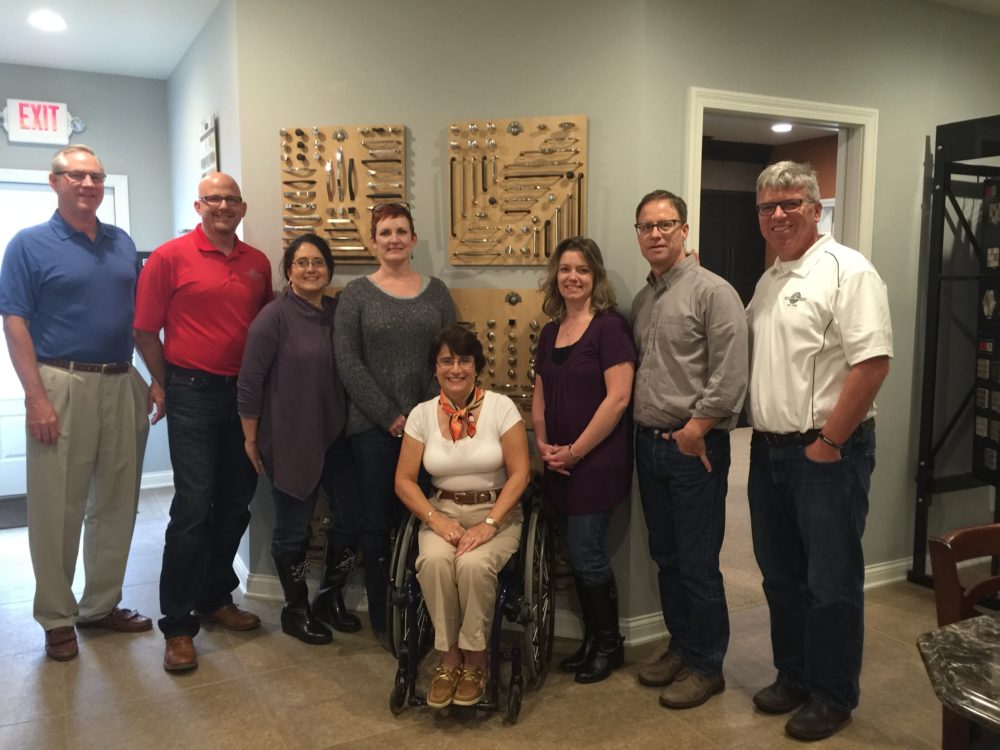
    Rosemarie & Mark visited our Design Center on Kenny Rd in 2015
  • House Remodel & Addition

    House Remodel & Addition

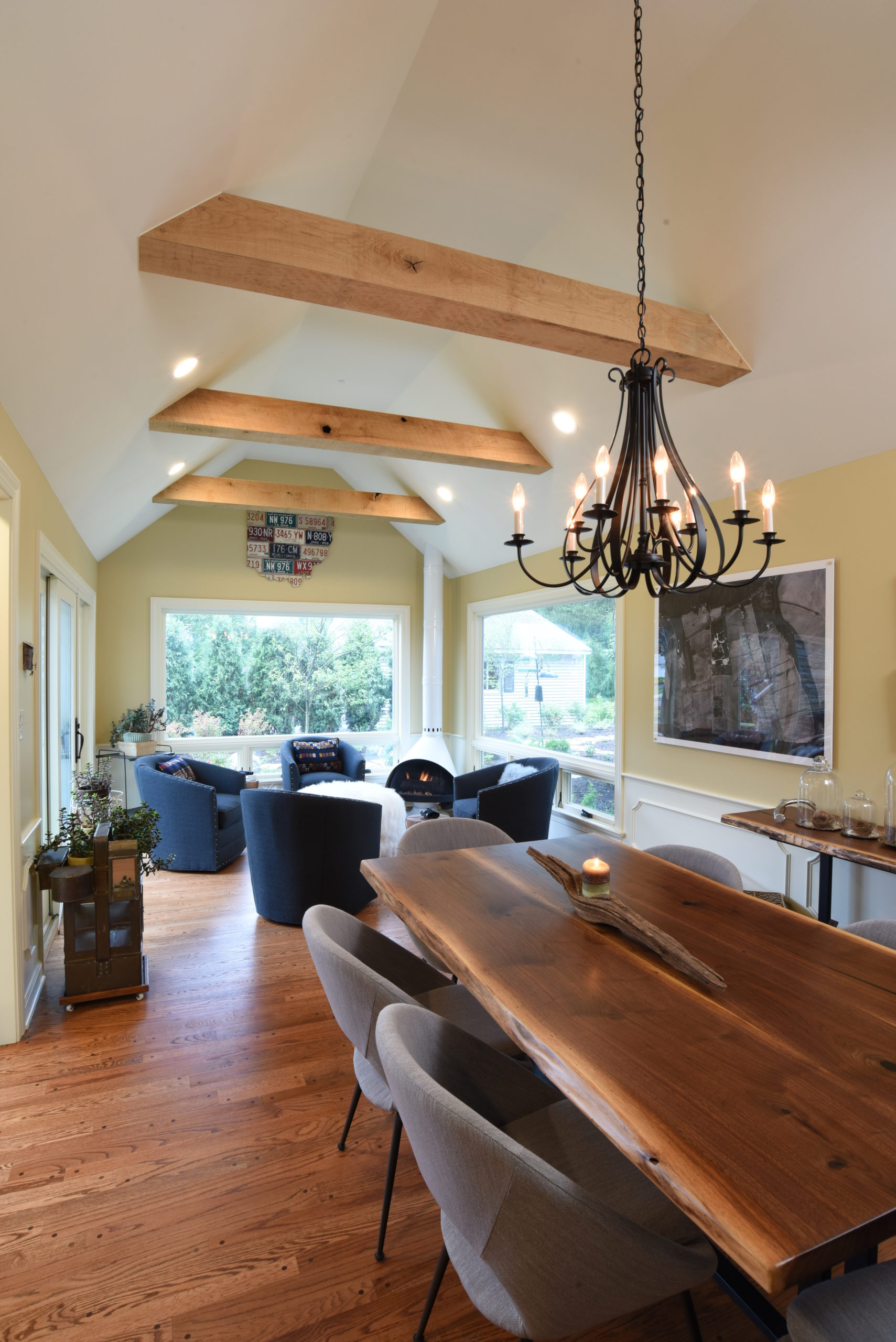
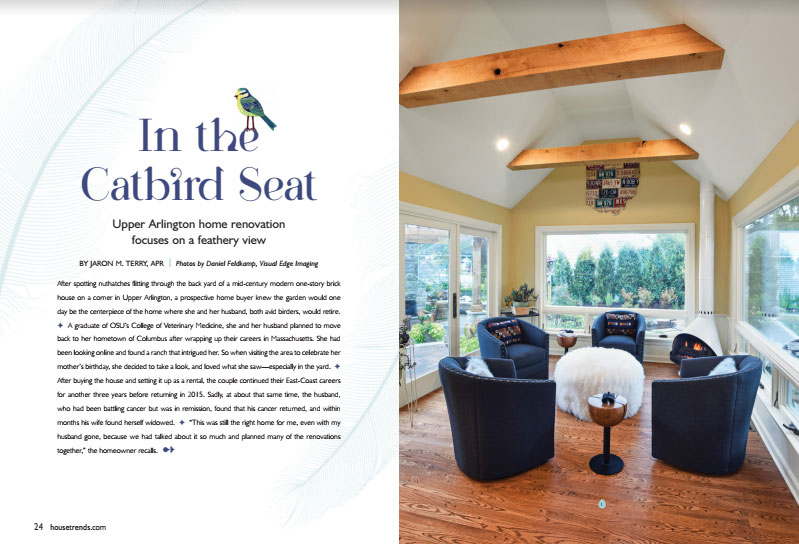
    Upper Arlington, Ohio Client’s love for birds and nature lands her home on the cover!

    Read the full feature article in HouseTrends Magazine.

    The Cleary Company in HouseTrends Magazine, photo of renovated home in Upper Arlington by The Cleary Company
  • Transitional Kitchen Remodels

    Transitional Kitchen Remodels

    Project Spotlight: Transitional in regards to interior design and home remodeling refers to a blend or “marriage” of traditional and modern styles. It’s a timeless contemporary interpretation of elements from a variety of time periods incorporating lines that are less ornate than traditional designs, but not as severely basic as contemporary lines. As a result, transitional designs are classic, timeless, and clean. The transitional style also focuses on comfort and practicality to meet the lifestyle of an active household.

    Color palettes are typically neutral and subtle and may be monochromatic, with color in art and accents, not upholstery and floors. Wood finishes are typically warm tones but can range from a natural finish to a high-gloss lacquer. Texture is important and a balanced mix of several textures is often used.

    The Cleary Company Remodel-Design-Build, your home remodeling company, in Columbus, OH, remodeled 2 transitional-style kitchens earlier this year that are very different.

    Kitchen Renovation Refresh | Dublin, OH

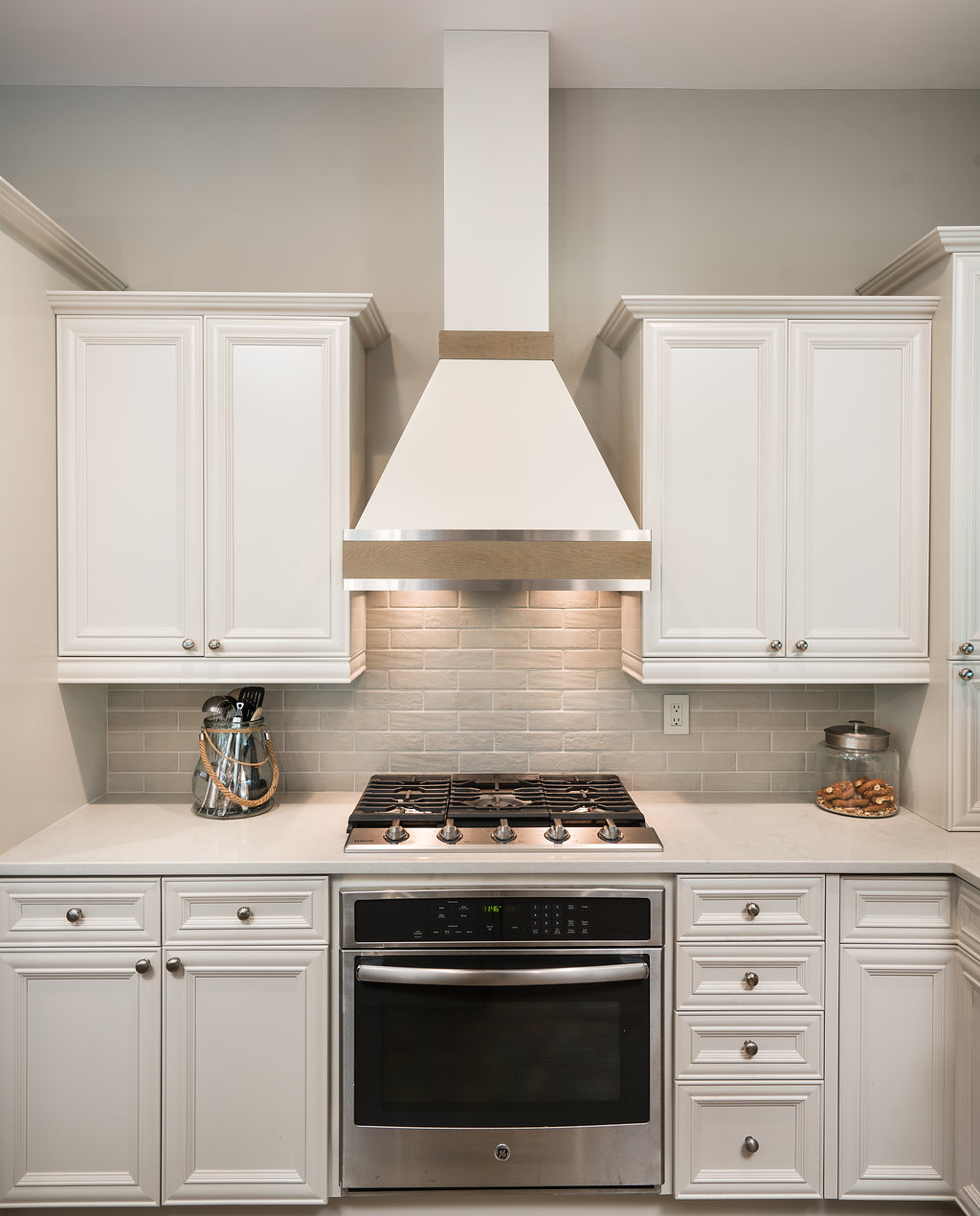
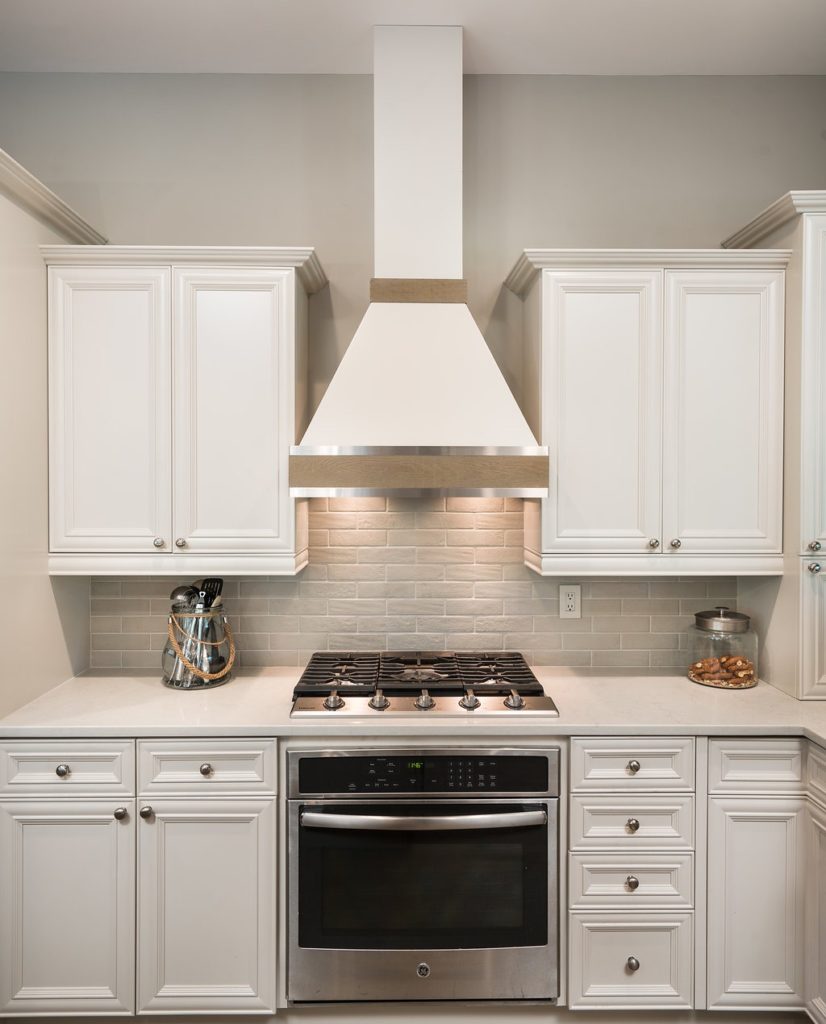
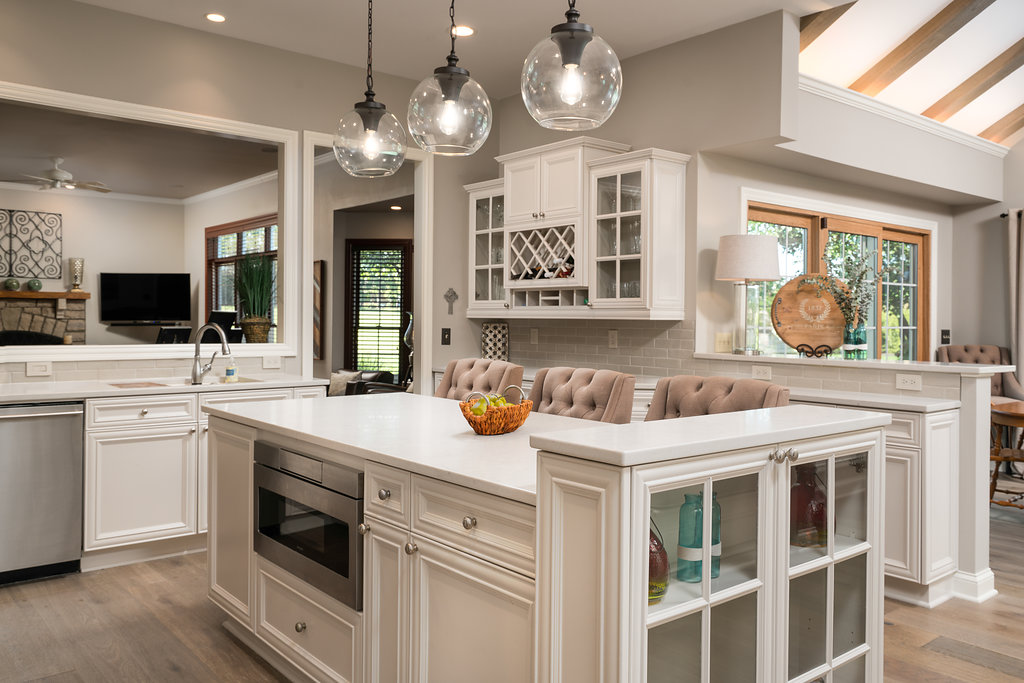
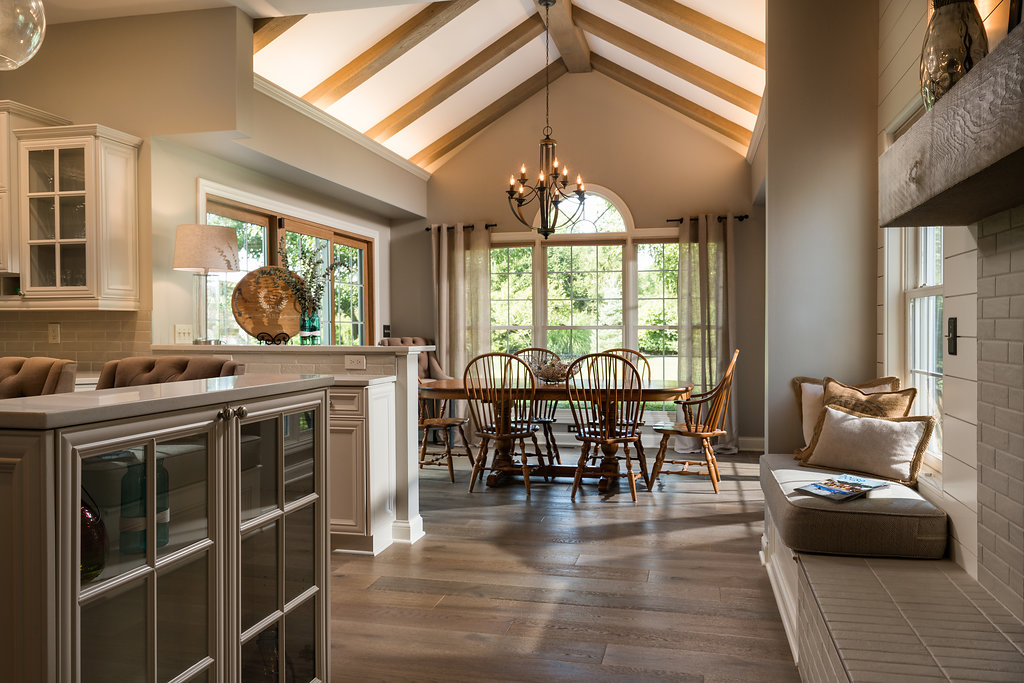
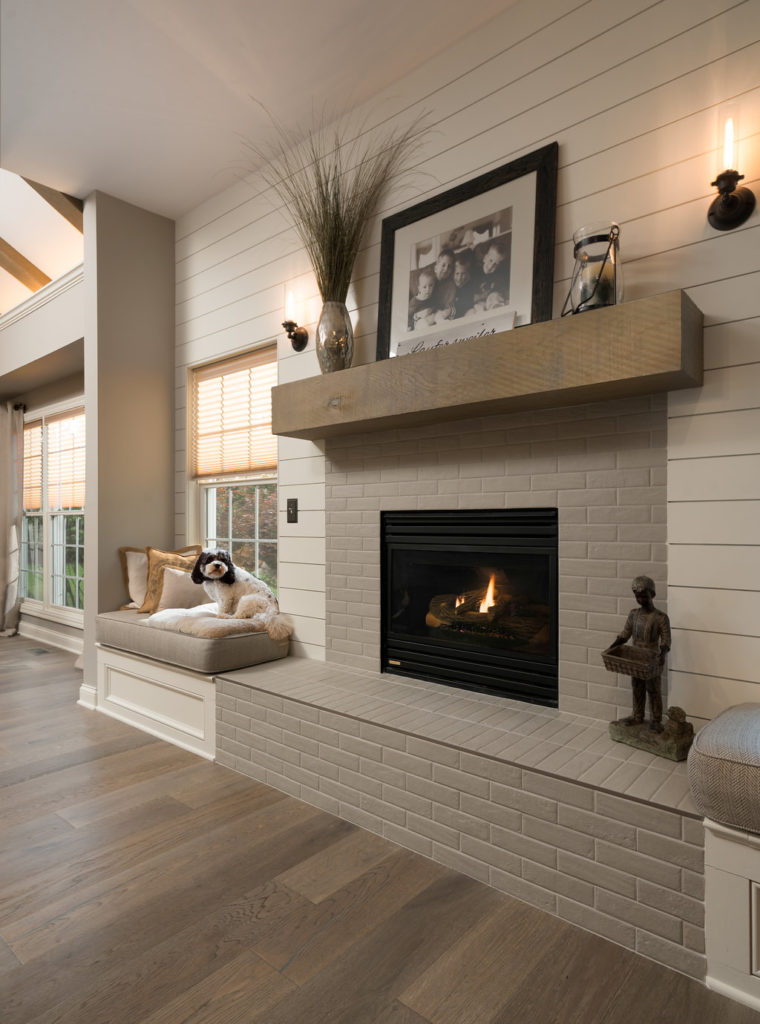
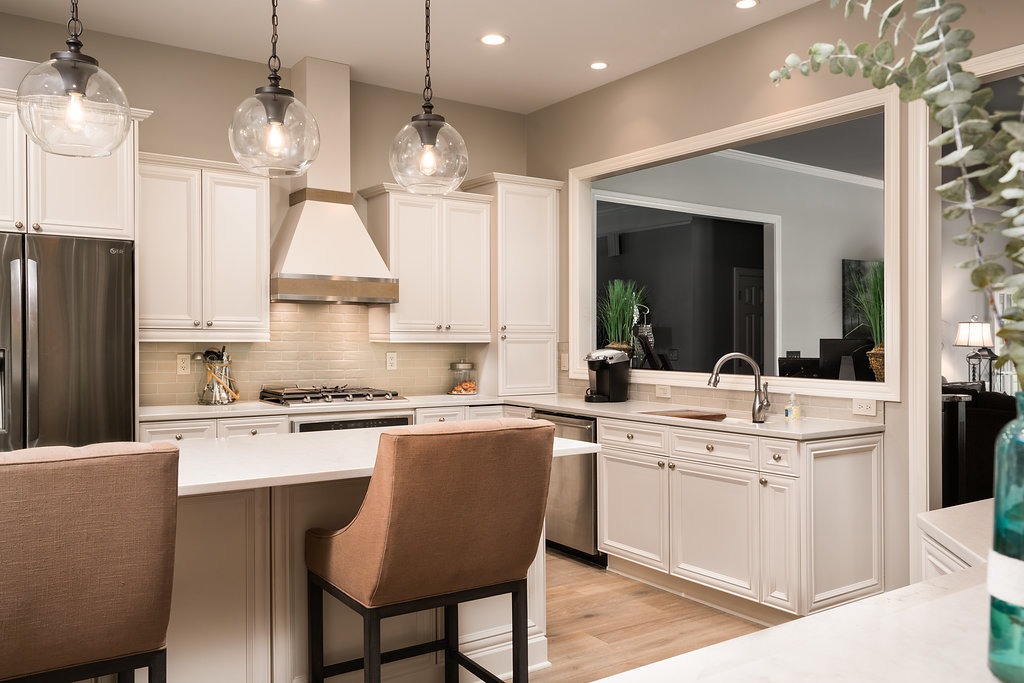
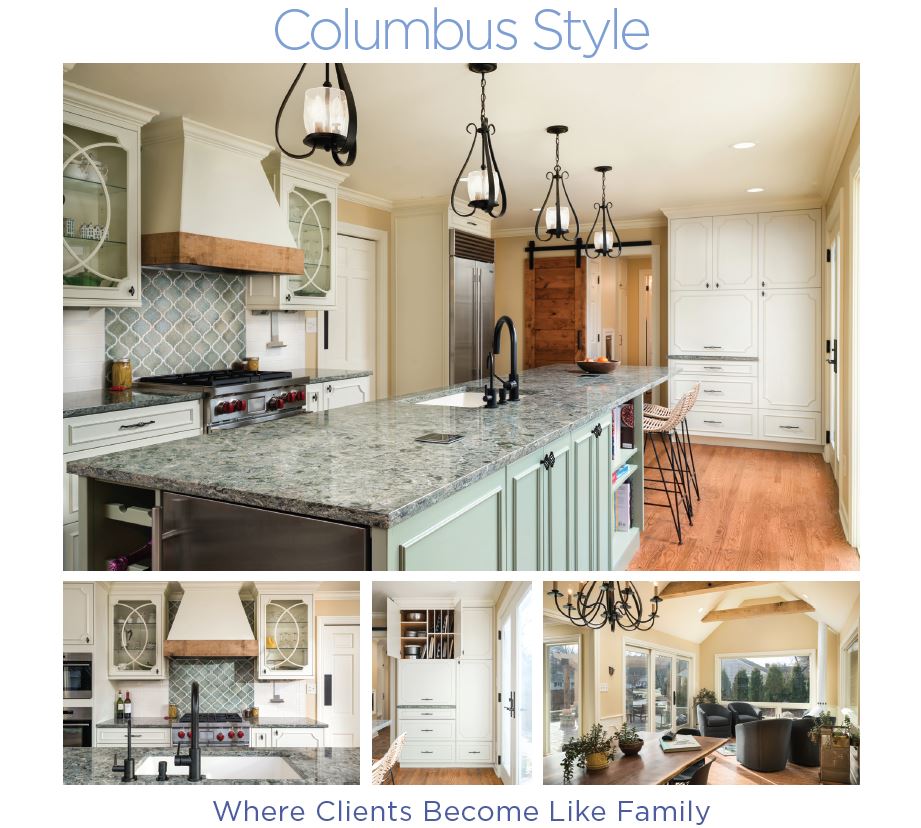
    The first home, located in Tartan Fields in Dublin, OH was built in 2000, and features soft warm neutral tones, exposed wood beams, and stainless appliances.

    Project Year: 2017 | Project Cost: $75,001 – $100,000

    Newly remodeled space is fresh and bright. The existing cabinets were updated with new paint (Benjamin Moore Acadia White) to match existing base & crown molding of home. Cesar Stone quartz countertops replaced existing builder grade granite. New wide plank engineered hardwood floors w/ an antiqued finish replaced the existing narrow planked golden oak. New glass globe pendant lighting installed over island. Microwave over the range was relocated into the existing island and a new custom hood was installed in it’s place.

    Read more about this project in HouseTrends Magazine!

    Kitchen Remodel | Delaware, OH

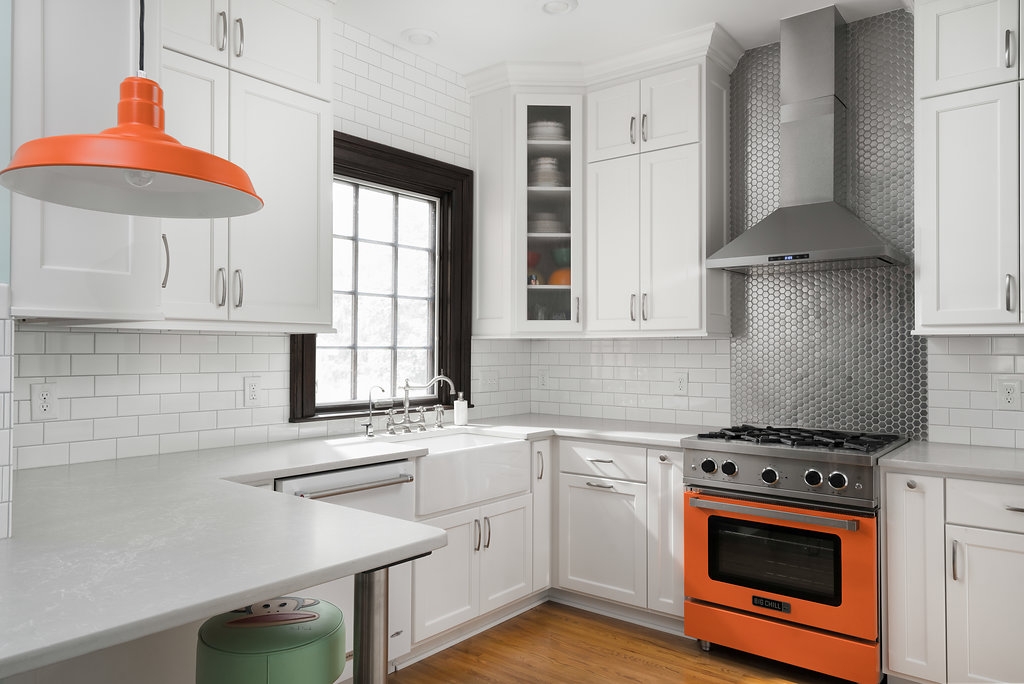
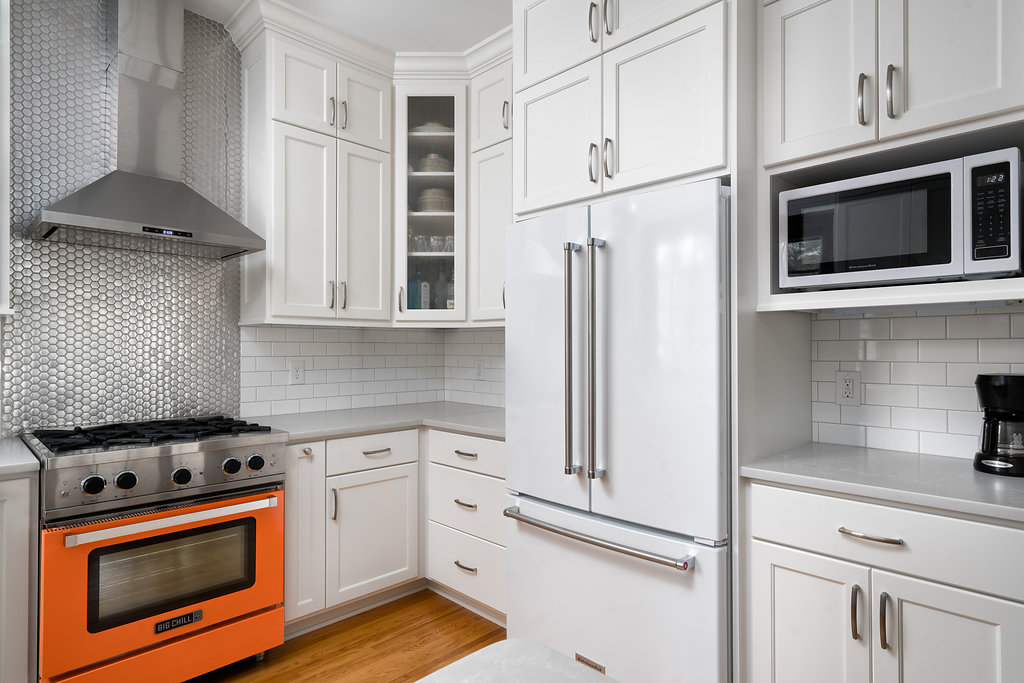
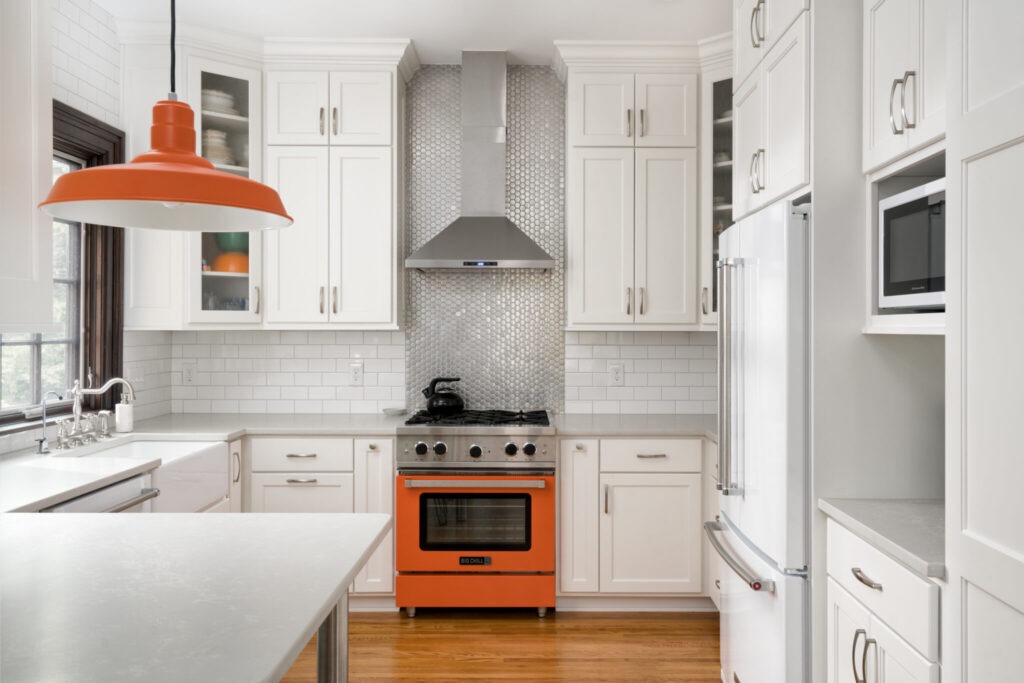
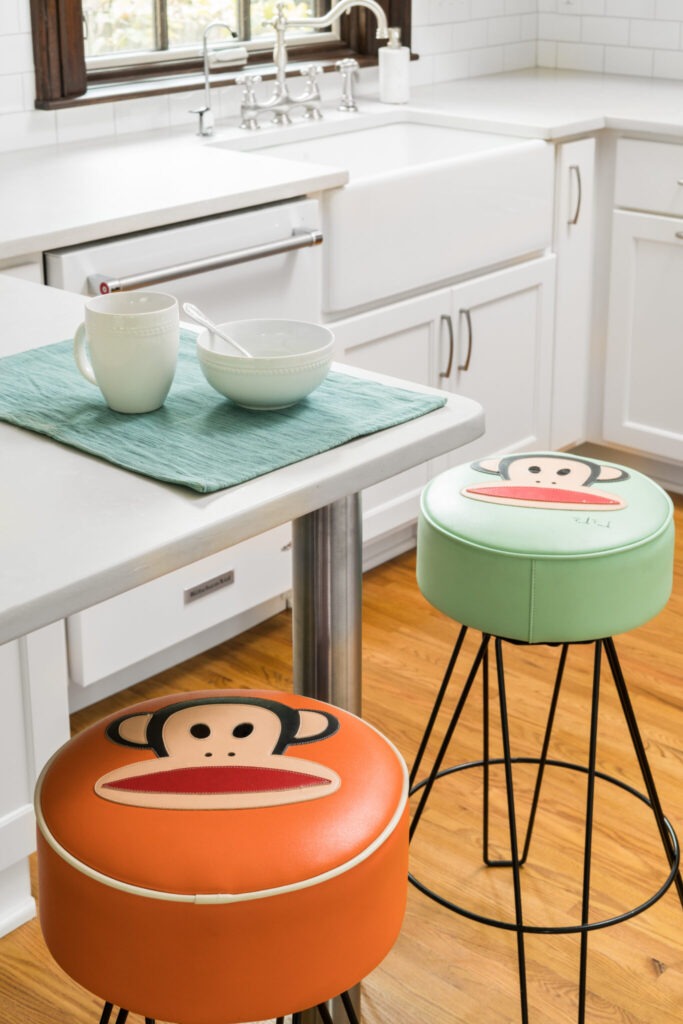
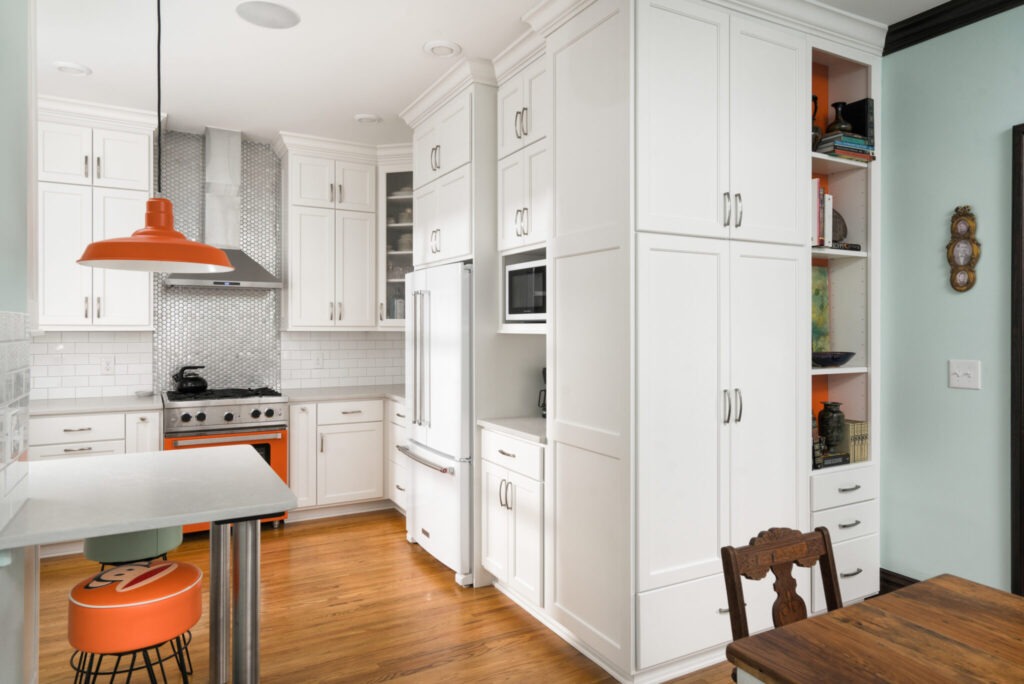
    located in historic downtown and Whimsical pops of color in the range, the pendant light, and Paul Frank stool.

    The second is a Victorian-style home in downtown Delaware, OH was built in 1890 features white subway tile, and white shaker cabinets. kitchen that . 1980’s style tile, appliances, and cabinets did not didn’t function well for current owners nor fit the architectural period of the home. A slight rework of the footprint created more storage by installing new custom Amish cabinets which extend the full height of the ceiling. Modern conveniences mixed with period details create a transitional style that is a fun light-filled space more suited to our client’s lifestyle.

    Project Year: 2017 | Project Cost: $100,001 – $150,000

    Design by Laura Watson ASID, UDCP

    Both of these transitional kitchens show a perfect balance of a mix of textures as well as traditional and contemporary styles. Kitchen remodels add efficiency and function to the busy lifestyles and homes of our clients. Which one is your favorite?

    Want more inspiration?

    View more finished kitchen remodeling projects by checking out the Kitchens Portfolio on our website.  Ready to get started on your next home or kitchen remodeling project? You can design and build with us, we would love to work with you!

    Contact our Client Relations Coordinator by scheduling a call here or visiting the Contact page on our website today.

  • Treating Home Remodeling Clients Like Family

    Treating Home Remodeling Clients Like Family

    Do you subscribe to Architectural Digest? If so did you see the full page on George and The Cleary Company in the October issue? We share the reason we treat our clients as if they are a part of our family. George talks about how The Cleary Company, your Columbus, OH remodeling company, got its first clients in 1994 and how this ended up laying the groundwork for a philosophy that our Team still embraces today.

    Notable Quotes from George:

    “Once clients hire us, they become part of our family”

    “Because we treat every client’s home like our own, we understand today’s decisions will impact tomorrow’s dreams”

    Through our Remodel Design Build process takes the time to get to know our clients’ lifestyles, needs and goals for their home and incorporates them into their project. We understand that remodeling can be stressful, and there are many emotional ups and downs. To help our clients navigate these phases of remodeling, our app keeps them updated on schedule changes, allows them to view progress photos and logs as well as make payments even when they are on vacation. This ability to stay connected, coupled with our incredible team of skilled professionals helps ensure client satisfaction and in most cases clients for life. In fact, over 70% of the projects we’re building in 2017 are from repeat clients and referrals from past or current clients!

    The truth about home remodeling, is that it can be a hard and messy process, but treating clients like family helps ensure the final product and client experience are exceptional. Contact our Team and you’ll be treated like family too!

    Like us on Facebook to follow the progress of our Upper Arlington OH new build home and keep updated on our Team.

    Don’t subscribe to Architectural Digest? Read the full page feature by clicking here.

  • Home Remodeling & Jobsite Safety

    Home Remodeling & Jobsite Safety

    What Clients Can Do To Keep Safe During Their Home Remodel

    by Aaron Enfinger CR General Manager The Cleary Company Remodel Design Build Columbus OH

    Safety has no quitting time; Safety first; Safety is no accident; Safety is as simple as ABC-Always Be Careful. Would you like me to continue? I can do this all day!

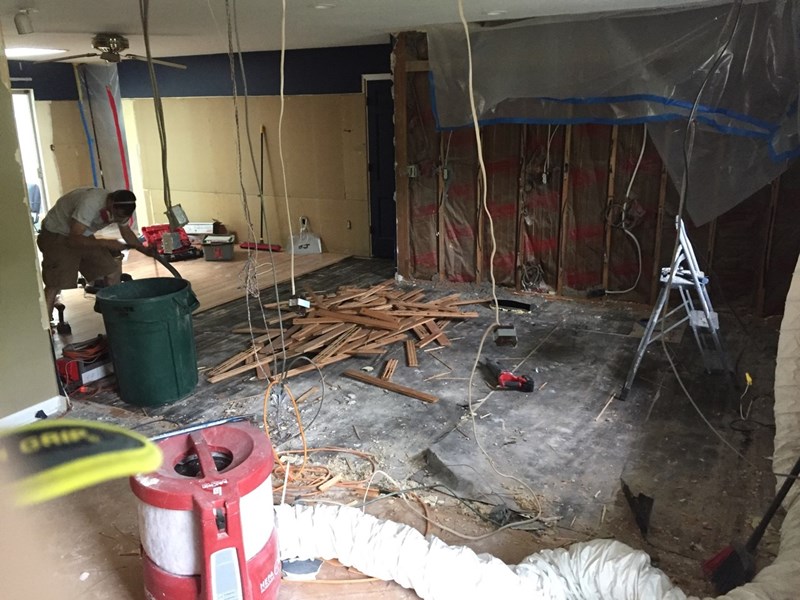
    There are many slogans when it comes to safety. Many of these are catchy, funny and memorable so that safety is kept at the top of mind when working in an environment that, at times, can be dangerous. One thing that we in the home remodeling industry do as part of our jobs is bring some of these dangers into your home.

    Despite the potential for danger on any jobsite, Our Team at The Cleary Company Remodel Design Build Columbus OH is committed to safe construction sites for our homeowners, their families and pets, plus all our employees, trades and vendors. We feel education is key to keeping everyone safe so let’s take a few minutes to review some simple ways our clients can assist our Production Team with safety on every jobsite.

    The KISS acronym is an easy way to remember for good safety practices-

    Keeps It Safe and Sound!

    • Keep clear of work site during the work day

    One of the best ways to avoid potentially unsafe conditions is to…avoid potentially unsafe conditions. While the craftsmen are working on your project it is best to stay away from the construction area. There are tools, materials, and other potential hazards lurking everywhere. Giving the craftsmen the needed space and time to work, goes a long way in reducing additional exposure to hidden hazards. This is especially true for children and pets! Your Project Manager can arrange a time either before or after the work day to walk your jobsite with you.

    • Involve everyone that lives in the home in project communication

    One of the most important aspects of any home remodeling project is staying in regular communication with your Project Manager. Whether you prefer calls, texts or emails, communication needs to go both ways in the dynamic relationship of Client/PM. Please regularly update your Project Manager with your family’s activities and daily schedule. Safety can be compromised with surprises so you and your household will need to know what is happening daily in your home and when it is going to happen. Our APP makes keeping in touch and up to date easy with your mobile phone or tablet!

    • Store valuables away from the work zone

    We have seen some very unfortunate circumstances where some very sentimental family heirlooms have inadvertently been damaged during demo and/or construction. Even though all professional craftsmen take pride in the fact that they can do their work and minimize impact on the family’s daily life, clients can help us be successful by keeping important possessions out of harm’s way. We recommend any item of value, whether sentimental or monetary value, be kept away from any area under construction and prefer these items to be packed away and, if possible, stored offsite.

    • Set boundaries with your children and pets

    It seems obvious enough, but it should be highlighted anyway- DO NOT allow children and/or pets unattended into construction areas during working and even during non-working hours. Construction sites are never a safe place for children and pets since they can’t discern the dangers looming. Please keep them far away from the tools, materials, and exposed mechanical systems.

    Safety is everyone’s responsibility and reward!

    For additional information on Remodeler – Client communication check out this article from This Old House Magazine, How to Get the Most from Your Contractor